Table of Contents
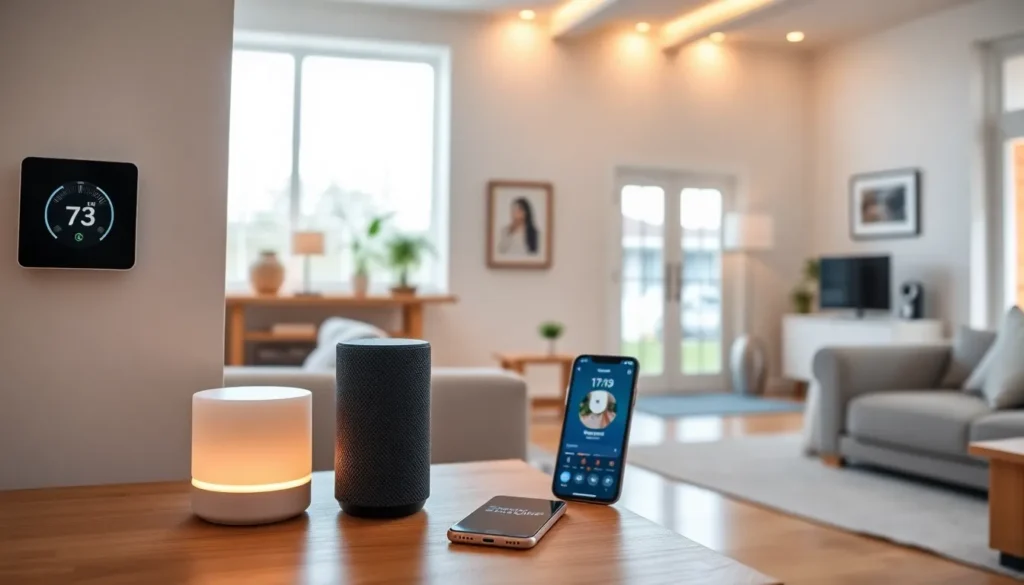
ToggleThe top smart home devices available today can transform any house into a connected, efficient living space. These gadgets simplify daily tasks, reduce energy costs, and add layers of convenience that traditional homes simply can’t match. From voice-controlled speakers to intelligent thermostats, the options have expanded dramatically in recent years.
Homeowners now have access to smart home devices that work together seamlessly. They can control lights, adjust temperatures, monitor security cameras, and manage appliances, all from a smartphone or voice command. This guide covers the best smart home devices across six essential categories, helping readers choose the right products for their needs and budget.
Key Takeaways
- Top smart home devices like smart speakers, lighting, and thermostats can reduce energy costs and simplify daily tasks throughout your home.
- Amazon Echo offers the widest compatibility with smart home devices, while Google Nest and Apple HomePod integrate best with their respective ecosystems.
- Smart thermostats like Google Nest and Ecobee can save 10-15% on heating and cooling bills by learning your household patterns.
- Budget-friendly options exist in every category—Wyze cameras start at $36 and smart bulbs cost as little as $8 each.
- Most smart security cameras require monthly cloud storage subscriptions ($4-$20/month), so factor ongoing costs into your purchase decision.
- Smart plugs offer the easiest entry point, turning ordinary appliances into connected devices for around $25.
Smart Speakers and Voice Assistants
Smart speakers serve as the control center for most smart home devices. They respond to voice commands, play music, answer questions, and connect to other gadgets throughout the house.
The Amazon Echo line remains the most popular choice for smart speakers. The Echo Dot offers an affordable entry point at around $50, while the Echo Studio delivers premium audio quality for audiophiles. All Echo devices use Alexa, Amazon’s voice assistant, which supports over 100,000 skills and works with thousands of smart home products.
Google’s Nest Audio and Nest Mini provide strong alternatives. Google Assistant powers these speakers and excels at answering complex questions and integrating with Google services like Calendar and Maps. The Nest Hub adds a touchscreen display, making it useful for watching videos, viewing recipes, and checking security camera feeds.
Apple’s HomePod mini appeals to iPhone users who want tight integration with their existing Apple ecosystem. Siri handles voice commands, and the speaker works exceptionally well with Apple Music and HomeKit-compatible smart home devices.
What to Consider When Choosing
Buyers should think about which ecosystem they already use. Someone with an Android phone and Chromecast might prefer Google. iPhone owners often lean toward Apple. Those who prioritize smart home device compatibility typically choose Amazon, as Alexa works with the widest range of products.
Smart Lighting Solutions
Smart lighting ranks among the most practical smart home devices for beginners. These bulbs and switches offer convenience, energy savings, and the ability to set moods throughout the home.
Philips Hue dominates the smart lighting market. The Hue system offers bulbs in various shapes and sizes, from standard A19 bulbs to light strips and outdoor fixtures. Users can choose from millions of colors, set schedules, and create scenes that change multiple lights at once. A starter kit costs around $100 and includes a bridge, which connects the bulbs to the home network.
WYZE and Sengled offer budget-friendly alternatives that don’t require a separate hub. These bulbs connect directly to Wi-Fi and cost as little as $8 each. They lack some advanced features of Philips Hue but handle basic dimming, scheduling, and color changes effectively.
Smart switches represent another approach to connected lighting. Lutron Caseta switches replace existing wall switches and work with any standard bulb. This option makes sense for homeowners who don’t want to replace every bulb in their house. The switches also continue to work manually if the internet goes down, a common concern with smart home devices.
Motion-sensing smart bulbs add another layer of automation. They turn on when someone enters a room and off when the space is empty. This feature works especially well in hallways, bathrooms, and closets.
Smart Thermostats for Energy Efficiency
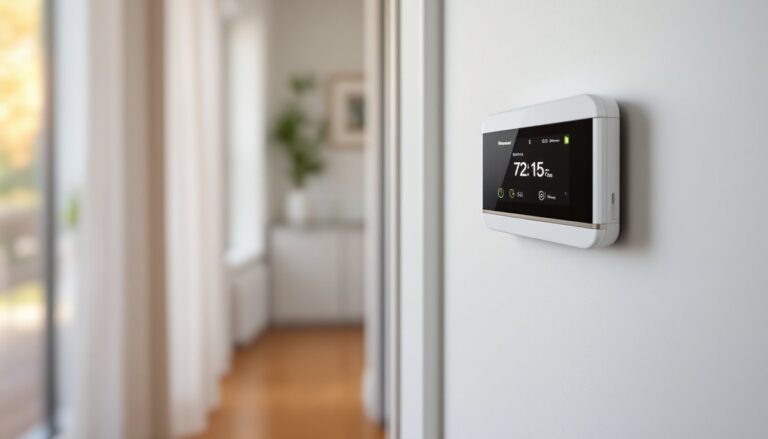
Smart thermostats save money on heating and cooling bills while keeping homes comfortable. These smart home devices learn household patterns and adjust temperatures automatically.
The Google Nest Learning Thermostat has defined this category since 2011. It tracks when residents leave and return, then creates a schedule based on actual behavior. The device also includes sensors that detect when no one is home and lowers the temperature accordingly. Google claims users save an average of 10-12% on heating and 15% on cooling costs.
Ecobee Smart Thermostat Premium includes room sensors that measure temperature in different areas of the house. This feature solves a common problem: bedrooms that stay too hot while the living room remains comfortable. The thermostat averages readings from all sensors to maintain consistent comfort. It also includes built-in Alexa, so it doubles as a smart speaker.
The Honeywell Home T9 offers similar room sensor capabilities at a lower price point. It lacks some premium features but handles core functions well and integrates with most smart home devices and platforms.
Installation Tips
Most smart thermostats require a C-wire (common wire) for power. Homes built before the 1970s often lack this wire. Some models include adapter kits that work around this limitation, but buyers should check their existing wiring before purchasing.
Smart Security Cameras and Doorbells
Security cameras and video doorbells give homeowners peace of mind and visual records of activity around their property. These smart home devices have become increasingly affordable and easy to install.
Ring Video Doorbell remains the best-known option in this category. It captures video whenever someone approaches the door and sends alerts to the homeowner’s phone. Users can see and speak with visitors from anywhere. Ring offers models ranging from $100 to $350, with higher-priced versions including features like 3D motion detection and head-to-toe video.
Google Nest Doorbell (battery) provides similar functionality with tighter Google ecosystem integration. Its standout feature is on-device facial recognition, which can announce specific people by name. The camera also distinguishes between people, packages, animals, and vehicles.
For indoor monitoring, the Wyze Cam v3 offers remarkable value at just $36. It records 1080p video, works in low light, and includes person detection. Arlo cameras cost more but offer wire-free installation with rechargeable batteries, ideal for renters or those who can’t run cables.
Cloud Storage Considerations
Most smart security cameras require monthly subscriptions for cloud video storage. Ring Protect costs $4-$20 per month depending on features and number of cameras. Nest Aware runs $8-$15 monthly. Buyers should factor these ongoing costs into their decision, as the subscription fees add up over time.
Smart Plugs and Switches
Smart plugs turn ordinary devices into connected smart home devices. They plug into standard outlets and add remote control, scheduling, and energy monitoring to lamps, fans, coffee makers, and more.
The Amazon Smart Plug works seamlessly with Alexa and costs around $25. Users can control anything plugged into it through voice commands or the Alexa app. It’s compact enough that two fit side by side on a standard wall outlet.
TP-Link Kasa Smart Plugs offer broader compatibility, working with Alexa, Google Assistant, and Apple HomeKit. The Kasa app provides energy monitoring, showing exactly how much power each device uses. This information helps homeowners identify energy-wasting appliances.
For higher-powered devices like space heaters or window air conditioners, outdoor smart plugs handle the extra load. These models include weather-resistant housings and work with holiday lights, pool pumps, and other exterior equipment.
Smart in-wall switches provide a cleaner look than plugs. They replace existing switches and control ceiling fans, garbage disposals, and hardwired lighting. Installation requires basic electrical knowledge, but most homeowners can complete the job in 15 minutes.