Table of Contents
ToggleTiny house cottages blend the minimalist appeal of tiny homes with the architectural charm of traditional cottages. They’re compact, efficient, and increasingly popular among homeowners looking to downsize without sacrificing style. Whether someone’s considering a backyard guesthouse, a vacation retreat, or a full-time residence under 600 square feet, tiny cottages offer a practical alternative to conventional housing. This guide covers everything from design styles and essential features to zoning challenges and cost breakdowns, giving prospective builders and buyers the information they need to make informed decisions.
Key Takeaways
- Tiny house cottages are compact dwellings between 200–600 square feet with permanent foundations and traditional cottage architecture, serving as primary residences, ADUs, guest houses, or vacation retreats.
- Building or buying a tiny house cottage costs $40,000–$100,000, significantly less than the median U.S. home price of $380,000, while reducing property taxes, utilities, and maintenance expenses.
- Zoning regulations vary dramatically by location; research ADU ordinances, minimum square footage rules, and local building codes before purchasing land or beginning construction.
- Essential design features include multi-functional furniture, vertical storage, efficient mini-split HVAC systems, proper insulation (R-30 roof, R-19 walls), and natural light to maximize comfort in smaller spaces.
- DIY builds cost $25,000–$50,000 in materials plus foundation work, while contractor builds range $40,000–$100,000; factor in hidden costs like permits, utility hookups, and site prep to avoid budget overruns.
What Are Tiny House Cottages?
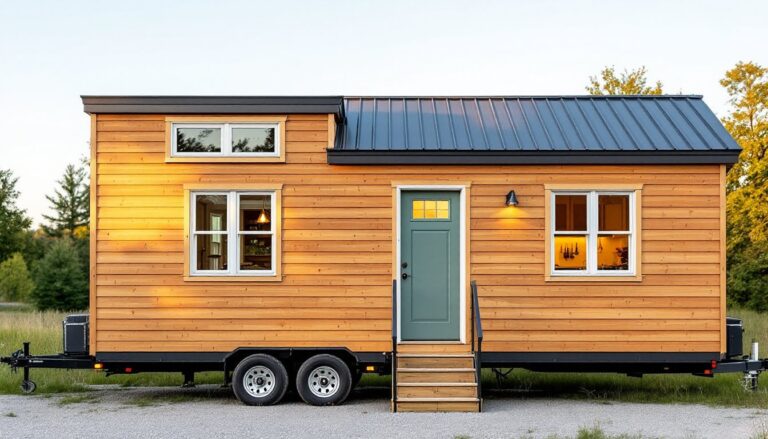
A tiny house cottage is a small, detached dwelling typically ranging from 200 to 600 square feet. Unlike mobile tiny homes built on trailers, most tiny cottages sit on permanent foundations, either pier-and-beam, slab, or crawlspace.
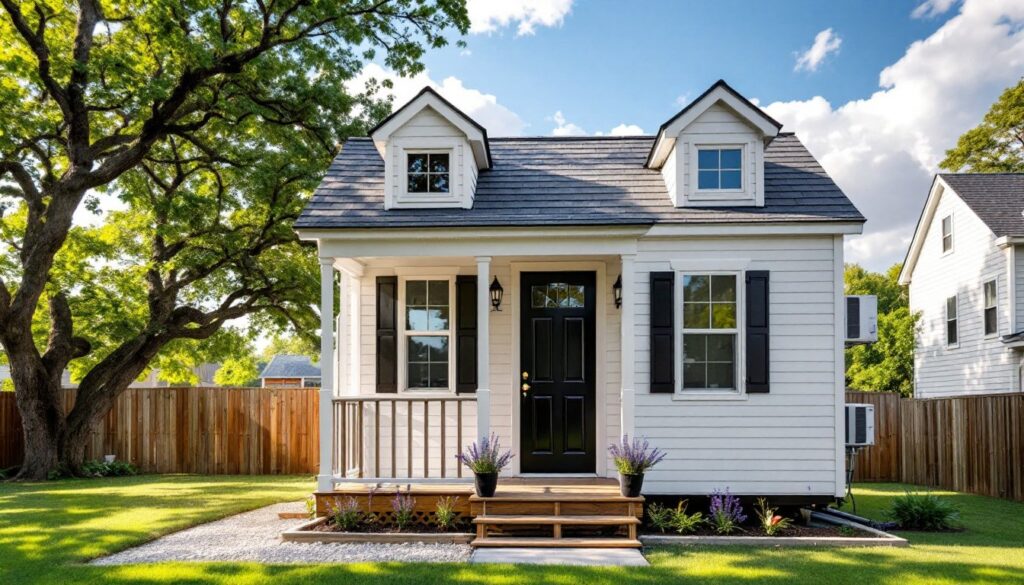
The “cottage” designation refers to the architectural style: pitched roofs, board-and-batten or lap siding, window boxes, and front porches. Think Cape Cod, farmhouse, or English garden cottage scaled down to tiny proportions. These structures often include features like dormers, French doors, and shutters that distinguish them from purely utilitarian tiny homes.
Tiny cottages can serve multiple purposes:
• Primary residences for singles, couples, or retirees downsizing
• Accessory dwelling units (ADUs) for rental income or multigenerational living
• Guest houses on larger properties
• Vacation or weekend retreats
Because they’re typically permanent structures, tiny cottages fall under different building codes than RV-classified tiny homes on wheels. That means they usually require permits, inspections, and compliance with local residential building standards, more on that later.
Why Choose a Tiny House Cottage Over Traditional Homes?
The appeal goes beyond aesthetics. Tiny cottages offer tangible financial, environmental, and lifestyle advantages.
Lower upfront and ongoing costs. A professionally built tiny cottage ranges from $40,000 to $100,000 depending on finishes, location, and foundation type. By comparison, the median U.S. home price in 2026 hovers around $380,000. Property taxes, insurance, and utilities scale down proportionally. Heating and cooling 400 square feet costs a fraction of what a 2,000-square-foot home demands.
Reduced environmental footprint. Smaller spaces consume less energy and materials. Many tiny cottage owners incorporate solar panels, composting toilets, and rainwater collection systems. A well-insulated cottage with R-30 roof insulation and R-19 wall insulation can stay comfortable year-round with a single mini-split HVAC unit.
Simplified maintenance. Fewer square feet mean less to clean, repair, and replace. Roofing a 400-square-foot cottage might require 2 to 3 squares of shingles (200–300 square feet), compared to 15 or more for a typical house.
Flexibility in placement. Tiny cottages fit on smaller lots, work as house hacking examples for income generation, or occupy underutilized corners of existing properties. Some homeowners rent them out as short-term vacation stays or long-term ADU rentals.
That said, tiny cottage living isn’t for everyone. Storage is limited, entertaining space is tight, and resale markets vary by region. Anyone considering this path should spend time in a tiny space, rent one for a weekend, before committing.
Popular Tiny House Cottage Styles and Designs
Tiny cottages come in several architectural styles, each with distinct features and regional appeal.
Farmhouse Cottage: Vertical board-and-batten siding, metal or shingle roof, wraparound porch, and large multi-pane windows. Often painted white or gray with black trim. Works well in rural or suburban settings.
Cape Cod Cottage: Steeply pitched gable roof, cedar shake or clapboard siding, dormers, and symmetrical facade. Compact but classic. Popular in coastal and New England-style communities.
English Garden Cottage: Stone or brick accents, casement windows, arched doorways, and climbing vines or window boxes. This style leans romantic and works beautifully as a backyard guesthouse.
Modern Minimalist Cottage: Clean lines, metal or fiber cement siding, large glass panels, and flat or shed roofs. Often incorporates steel or concrete accents. Appeals to urban ADU builders and contemporary design enthusiasts.
Design inspiration varies widely: some homeowners draw ideas from regional design galleries showcasing everything from rustic cabins to sleek prefab modules. The key is matching the cottage style to the surrounding architecture and intended use. A Cape Cod cottage might look out of place in the Southwest, while a modern shed-roof design could clash with a Victorian neighborhood.
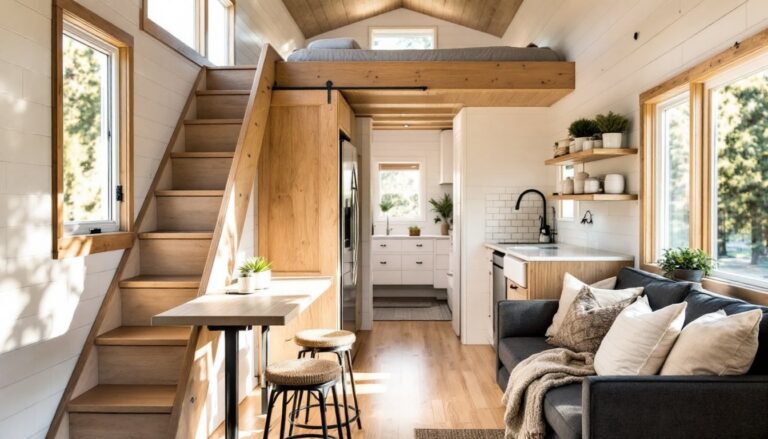
Interior layouts typically follow one of two plans: open-concept (kitchen, living, and sleeping areas flow together) or single-bedroom (a separate bedroom with pocket or barn doors). Loft spaces add sleeping or storage without expanding the footprint, but they require careful attention to ceiling height, most building codes mandate 7 feet minimum in habitable spaces.
Essential Features to Include in Your Tiny Cottage
Smart design maximizes every square inch. Here’s what experienced tiny cottage builders prioritize.
Multi-functional furniture. Murphy beds, fold-down tables, and storage ottomans are standard. Built-in benches with lift-up seats provide seating and storage. Avoid furniture that serves only one purpose.
Vertical storage. Floor-to-ceiling cabinets, wall-mounted shelves, and overhead racks make use of height. In kitchens, open shelving above counters keeps dishes accessible without bulk.
Full-size appliances (where possible). A standard 30-inch range and 18 to 24-inch dishwasher fit in most tiny cottage kitchens. Apartment-size refrigerators (10–12 cubic feet) work better than dorm fridges for full-time living. Some builders opt for combination washer-dryers or stackable units to save floor space.
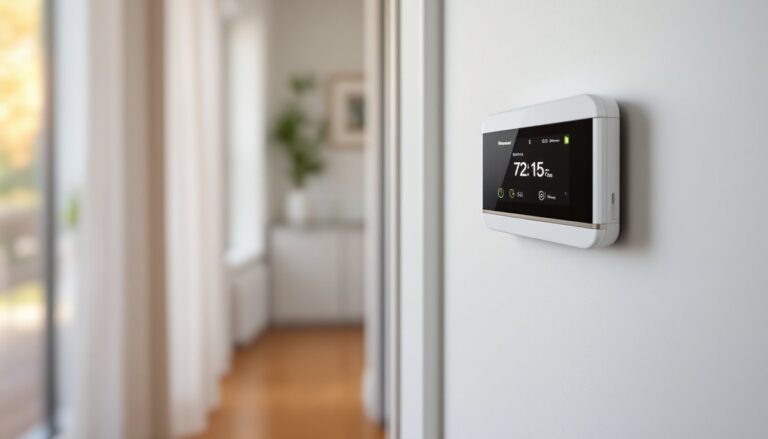
Efficient heating and cooling. Mini-split heat pumps are the go-to for tiny cottages. A single 12,000 BTU unit can heat and cool up to 500 square feet. Supplement with a small wood stove or electric baseboard heat in colder climates. Proper insulation is non-negotiable, skimping here leads to discomfort and high energy bills.
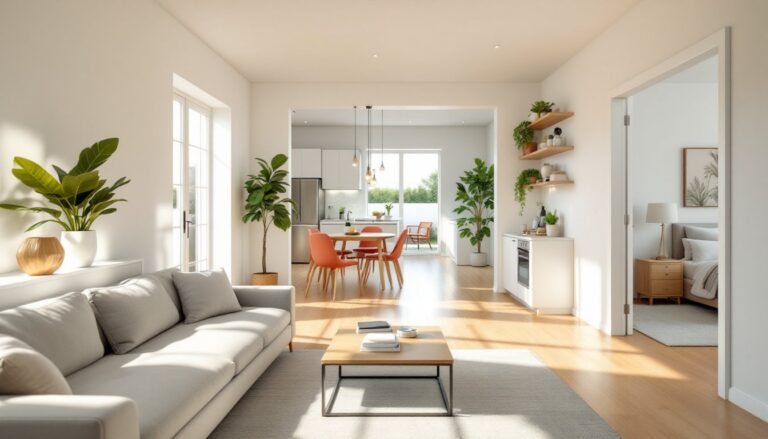
Natural light. Large windows, skylights, and glass doors make small spaces feel open. Aim for windows on at least two walls to promote cross-ventilation. Transom windows above doors add light without sacrificing wall space for furniture.
Durable, low-maintenance materials. Luxury vinyl plank (LVP) flooring holds up better than hardwood in high-traffic tiny spaces. Fiber cement or metal siding requires less upkeep than wood. Quartz countertops resist stains and scratches better than laminate.
Outdoor living extensions. A covered porch or deck effectively doubles usable space in good weather. Many small-space design enthusiasts highlight how thoughtful outdoor areas can transform compact living.
Safety and code compliance. Install smoke and CO detectors, use GFCI outlets in wet areas (kitchen, bath), and ensure egress windows meet IRC requirements (minimum 5.7 square feet of opening, 24 inches high, 20 inches wide). If building a loft, include a safe access method, steep ship ladders don’t meet code in many jurisdictions.
Building vs. Buying: Cost Breakdown and Considerations
Deciding whether to build or buy a tiny cottage depends on skills, time, and budget.
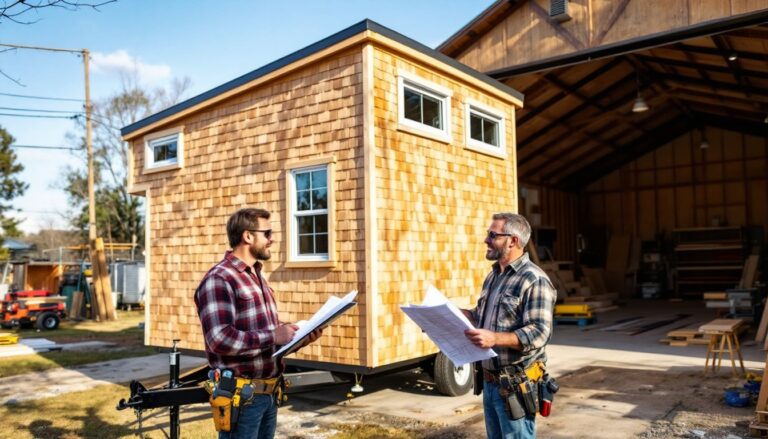
DIY build (owner as general contractor): Expect $25,000 to $50,000 in materials for a 400-square-foot cottage. That includes framing lumber, siding, roofing, windows, doors, insulation, drywall, flooring, and basic fixtures. It does not include foundation work, which can add $5,000 to $15,000 depending on soil and site prep. Tools, permits, and utilities push costs higher.
This route requires carpentry experience, time (6–12 months working weekends), and a strong back. You’ll need a truck, a miter saw, a circular saw, a drill, a level, and a variety of hand tools. Plan to handle or subcontract electrical and plumbing, most jurisdictions require licensed professionals for these trades.
Hiring a contractor: A turnkey build typically costs $100 to $250 per square foot. For a 400-square-foot cottage, that’s $40,000 to $100,000. Higher-end finishes, custom cabinetry, or difficult sites (steep slopes, remote access) drive prices up. Always get three bids and verify licensing and insurance.
Buying a prefab or kit cottage: Prefab manufacturers offer shells or complete cottages delivered on-site. Prices range from $30,000 to $80,000 depending on size and finish level. Buyers still pay for foundation, site prep, utility hookups, and assembly (some kits require professional installation). Prefabs save time but offer less customization.
Financing challenges. Traditional mortgages often don’t cover structures under 600 square feet or without permanent foundations. Options include personal loans, home equity loans (if leveraging an existing property), RV loans (for mobile tiny homes), or builder financing. Some tiny cottage buyers pay cash to avoid financing hurdles.
Hidden costs to budget for:
• Permits and inspections: $500 to $2,000
• Utility connections: $2,000 to $10,000 for water, sewer, and electric hookups
• Site prep and grading: $1,000 to $5,000
• Landscaping and driveway access: $1,000 to $3,000
• Furniture and appliances: $3,000 to $8,000
Building codes vary, but most permanent tiny cottages must meet the International Residential Code (IRC) Appendix Q for tiny houses, or local ADU ordinances. Verify requirements before breaking ground.
Zoning Laws and Placement Options for Tiny Cottages
Zoning is the biggest hurdle for tiny cottage owners. Regulations vary wildly by city, county, and even neighborhood.
Accessory Dwelling Units (ADUs). Many municipalities allow tiny cottages as ADUs on properties with existing primary residences. Requirements typically include:
• Minimum lot size (often 5,000 to 7,000 square feet)
• Maximum ADU size (400 to 1,200 square feet)
• Setback distances from property lines (5 to 10 feet)
• Owner occupancy (either the main house or ADU)
• Off-street parking for the ADU
Some cities have relaxed ADU rules in recent years to encourage affordable housing. California, Oregon, and Washington lead in ADU-friendly policies.
Minimum square footage rules. Certain jurisdictions mandate minimum dwelling sizes (often 600 to 1,000 square feet), effectively banning tiny cottages as primary residences. Check local codes before purchasing land.
RV and mobile home parks. Tiny cottages on wheels sometimes qualify for RV park placement, but most parks prefer certified RVs. Permanent tiny cottages don’t fit this category.
Rural and unincorporated areas. County regulations in rural zones are often more lenient. But, septic, well, and access road requirements can add significant costs. Some counties allow tiny cottages with composting toilets and off-grid utilities, while others require full hookups.
Tiny house communities. Dedicated tiny house villages and co-housing developments are emerging across the U.S. These communities often handle zoning, utilities, and shared amenities collectively. Research options through tiny house associations or regional planning departments.
Permit process. For a legal build, expect to submit:
• Site plan showing property lines, setbacks, and cottage placement
• Floor plans and elevations
• Structural, electrical, and plumbing drawings (stamped by licensed professionals if required)
• Proof of septic/sewer and water approvals
Inspections occur at multiple stages: foundation, framing, rough-in (electric/plumbing), insulation, and final. Skipping permits risks fines, removal orders, or complications when selling.
Work with local planning departments early. Some jurisdictions offer pre-application meetings to clarify rules. A little assignments upfront prevents costly mistakes later.
Conclusion
Tiny house cottages offer a compelling blend of affordability, charm, and simplicity for those willing to embrace smaller living. Success hinges on thorough planning, understanding local codes, budgeting realistically, and designing for both function and comfort. Whether someone builds, buys, or hires a contractor, attention to insulation, storage, and material quality makes the difference between a cramped box and a cozy retreat. Start with research, visit existing tiny cottages if possible, and consult professionals where skills or regulations demand it.