Table of Contents
ToggleSmart home devices trends 2026 point to a year of significant change. The industry is moving beyond basic voice commands and simple automations. Manufacturers are now focusing on smarter AI, better device compatibility, and stronger security features.
Consumers want homes that think ahead. They expect devices that learn routines, reduce energy bills, and protect their privacy. The smart home market is responding with products that deliver on these demands.
This article covers four major trends shaping smart home devices in 2026. Each trend represents a shift in how people interact with their connected homes.
Key Takeaways
- Smart home devices trends 2026 focus on AI-powered automation that learns user behavior and adapts without manual programming.
- The Matter protocol is achieving mainstream adoption, enabling seamless compatibility across brands and eliminating ecosystem lock-in.
- Whole-home energy management systems now coordinate solar panels, EV charging, and appliances to reduce costs and environmental impact.
- Local AI processing keeps sensitive data on the device itself, improving both response times and user privacy.
- Security features like end-to-end encryption, biometric authentication, and longer firmware support lifecycles are becoming industry standards.
- Predictive maintenance in smart appliances can detect potential failures before they happen, saving homeowners from costly repairs.
AI-Powered Automation Takes Center Stage
Artificial intelligence is transforming smart home devices in 2026. The next generation of smart home technology learns from user behavior and makes decisions without constant input.
Older smart home systems required users to program every action. Set a schedule for the lights. Tell the thermostat when to adjust. Create rules for each device. This approach worked, but it demanded time and attention.
AI-powered smart home devices in 2026 operate differently. They observe patterns and adapt automatically. A smart thermostat notices when residents leave for work each morning. It adjusts the temperature without being told. A lighting system recognizes that someone reads in the living room every evening at 8 PM. It dims the lights to the preferred level.
Major manufacturers are embedding local AI processors into their devices. This means faster response times and better privacy. The AI runs on the device itself rather than sending data to cloud servers.
Voice assistants are getting smarter too. They now understand context and follow-up questions more naturally. Users can have actual conversations instead of issuing rigid commands. “Turn on the kitchen lights” can be followed by “make them brighter” without repeating the location.
Predictive maintenance is another AI feature gaining ground. Smart appliances can detect when they need service before they break down. A smart washing machine might alert its owner about a failing pump weeks before it causes a flood.
These AI improvements make smart home devices trends 2026 particularly exciting for both new buyers and existing users.
Enhanced Interoperability With Matter Protocol
The Matter protocol is changing how smart home devices communicate with each other. In 2026, this standard reaches broader adoption and delivers on its promise of universal compatibility.
For years, smart home buyers faced a frustrating choice. Stick with one brand’s ecosystem or deal with devices that couldn’t talk to each other. A Google Nest thermostat might not work well with an Apple HomeKit setup. Amazon Alexa devices had their own limitations.
Matter solves this problem. Developed by Amazon, Apple, Google, Samsung, and other major players, Matter creates a common language for smart home devices. A Matter-certified smart plug works with any Matter-compatible hub or app.
Smart home devices trends 2026 show Matter certification becoming a baseline expectation. Consumers now look for the Matter logo before purchasing. Manufacturers without Matter support risk losing market share.
The protocol also improves local control. Matter devices can communicate directly with each other over a local network. This reduces dependence on internet connections and cloud services. If the Wi-Fi goes down, Matter devices on the same local network can still function together.
Thread, a networking protocol that works alongside Matter, is expanding too. Thread creates a mesh network where devices relay signals to each other. This extends range and improves reliability throughout the home.
The result is a simpler buying experience. Shoppers spend less time checking compatibility lists. They can mix and match brands based on features and price rather than ecosystem lock-in.
Energy Management and Sustainability Features
Energy costs and environmental concerns are pushing smart home devices toward better efficiency. Smart home devices trends 2026 reflect this priority clearly.
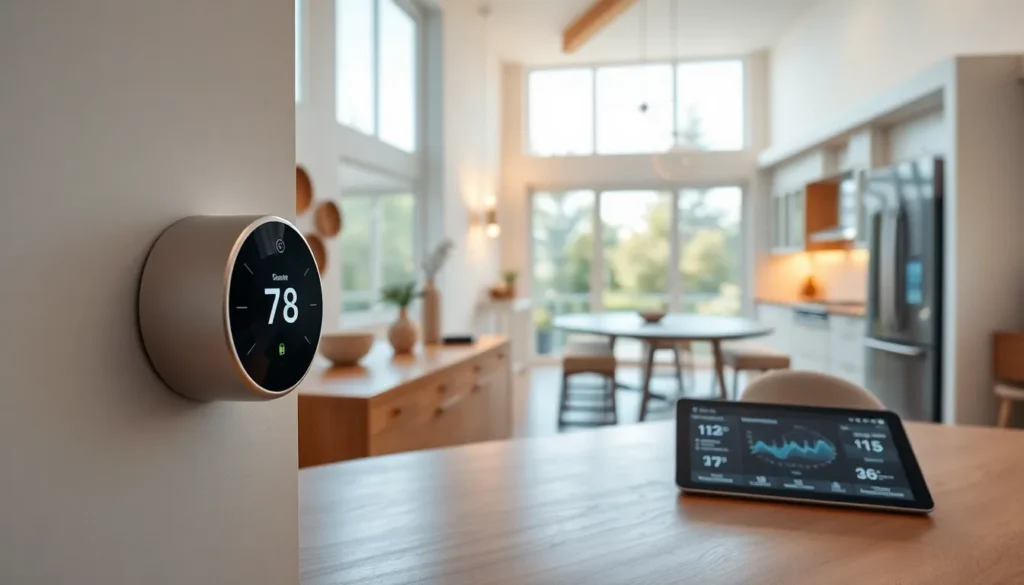
Smart thermostats have led energy management for years. But 2026 brings whole-home energy systems that coordinate multiple devices. These platforms track electricity usage across every connected appliance. They identify energy waste and suggest changes.
Solar panel integration is improving. Smart home systems now work directly with home solar setups and battery storage. They decide when to use stored solar energy, when to draw from the grid, and when to sell excess power back to utilities. Time-of-use pricing makes this coordination valuable. The system automatically shifts high-energy tasks to off-peak hours.
Smart plugs and outlets now include detailed energy monitoring. Users can see exactly how much power each device consumes. That old space heater? It might be costing more than expected. This visibility drives better decisions about appliance use and replacement.
Water management is joining the smart home ecosystem too. Smart irrigation systems use weather data and soil sensors to water lawns efficiently. Leak detectors have become more sophisticated. They can distinguish between a minor drip and a serious pipe failure, sending appropriate alerts.
EV charging integration is standard in 2026 smart home setups. Home systems coordinate charging schedules with electricity rates and solar production. A car plugged in overnight charges at the cheapest times automatically.
These features appeal to environmentally conscious consumers and budget-minded households alike. The investment in smart energy management often pays for itself within a few years.
Advanced Security and Privacy Controls
Security and privacy remain top concerns for smart home buyers. Smart home devices trends 2026 address these worries with stronger protections.
Device-level encryption is now standard across reputable brands. Data transmitted between smart home devices and cloud servers uses end-to-end encryption. This makes intercepted data useless to attackers.
Local processing reduces privacy risks. When AI runs on the device itself, sensitive data stays home. A smart camera that processes video locally doesn’t send footage to external servers for analysis. Users keep control of their recordings.
Authentication has improved significantly. Biometric options like fingerprint and face recognition secure smart locks and alarm systems. Multi-factor authentication protects user accounts from unauthorized access.
Manufacturers are committing to longer support lifecycles. Security vulnerabilities in outdated firmware create risks. In 2026, leading brands promise five or more years of security updates. This gives consumers confidence that their devices won’t become security liabilities.
Network segmentation features help protect entire households. Smart routers can automatically isolate IoT devices on separate network segments. If a compromised device gets onto the network, it can’t access computers or phones containing personal data.
Transparency is increasing too. Companies now publish clearer privacy policies explaining exactly what data they collect. Some brands offer data export and deletion tools that give users genuine control.
These security improvements matter because smart home adoption keeps growing. More connected devices mean more potential entry points for bad actors. The industry recognizes that trust is essential for continued growth.