Table of Contents
ToggleSmart home devices tips can transform a cluttered collection of gadgets into a seamless, efficient system. The average American household now owns over 20 connected devices, yet many users barely scratch the surface of what their smart home can do. Some struggle with devices that don’t communicate. Others worry about security vulnerabilities. And plenty of people simply don’t know where to start.
This guide covers practical strategies to help homeowners maximize their smart home investment. From choosing the right ecosystem to setting up automations that actually save time, these tips address the most common pain points. Whether someone is building their first connected home or optimizing an existing setup, the following sections offer clear, actionable advice.
Key Takeaways
- Choose one primary ecosystem (Google Home, Alexa, or Apple HomeKit) and prioritize device compatibility over individual features.
- Secure your smart home devices by using unique passwords, enabling two-factor authentication, and creating a separate network for IoT gadgets.
- Start small with one or two devices like a smart thermostat, then expand strategically based on specific needs you want to address.
- Set up automations and routines—such as morning schedules or geofencing—to transform app-controlled gadgets into a truly smart home.
- Keep all firmware and apps updated to protect against security vulnerabilities and maintain device functionality.
- Consider Matter-certified devices for future purchases to ensure better cross-platform compatibility.
Choose Compatible Devices Within One Ecosystem
The first of many smart home devices tips involves ecosystem selection. Homeowners should pick a primary platform, Google Home, Amazon Alexa, or Apple HomeKit, and build around it. Mixing ecosystems creates frustration. A Google Nest thermostat won’t respond to Siri commands. An Echo Show can’t control HomeKit-exclusive accessories without workarounds.
Compatibility matters more than individual device features. A slightly less impressive smart lock that works perfectly with an existing setup beats a feature-packed option that requires a separate app. Before any purchase, buyers should check the device’s compatibility list.
Matter, the new universal smart home standard, promises better cross-platform support. Devices with Matter certification work across all major ecosystems. This standard is worth considering for future purchases, though it hasn’t solved every compatibility issue yet.
Sticking to one ecosystem also simplifies voice control. Users can manage lights, thermostats, locks, and cameras through a single assistant. They won’t need to remember which app controls which device.
Prioritize Network Security and Privacy
Smart home devices tips often overlook security, but this oversight can prove costly. Every connected device represents a potential entry point for hackers. In 2024, security researchers found vulnerabilities in several popular smart cameras and doorbells.
Strong passwords form the foundation of smart home security. Each device and associated account needs a unique, complex password. Password managers make this manageable. Two-factor authentication should be enabled wherever available.
Network segmentation adds another layer of protection. Many modern routers allow users to create a separate network for smart home devices. This keeps IoT gadgets isolated from computers and phones containing sensitive data. If a smart plug gets compromised, the attacker can’t easily jump to a laptop with banking information.
Privacy settings deserve attention too. Smart speakers record voice commands. Cameras capture video. Homeowners should review what data their devices collect and adjust settings accordingly. Most platforms offer options to delete voice history and limit data sharing.
Router firmware updates matter as much as device updates. An outdated router with known security flaws puts every connected device at risk.
Start Small and Expand Strategically
New smart home enthusiasts often buy too much too fast. They end up with devices they don’t use and systems they don’t understand. Better smart home devices tips suggest a different approach: start with one or two devices that solve real problems.
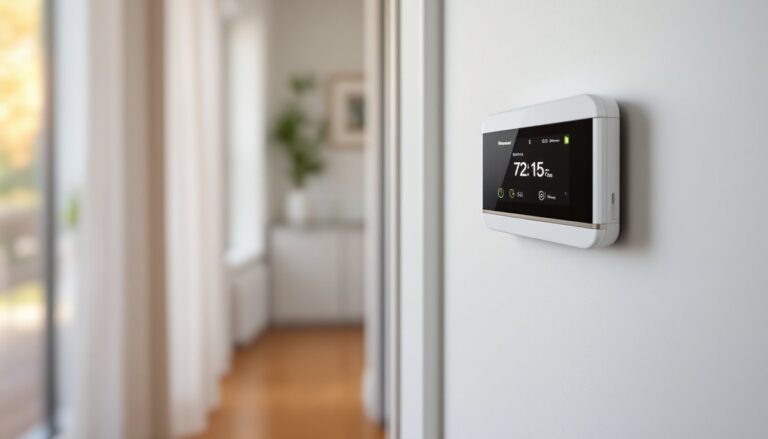
A smart thermostat makes an excellent first purchase. It delivers immediate value through energy savings and comfort improvements. Users learn the basics of app control and scheduling without overwhelming complexity.
Smart lighting works well as a second addition. Start with high-traffic areas like living rooms or kitchens. Once comfortable with bulbs or switches, expand to other rooms. This gradual approach reveals preferences, maybe motion-activated lights work better than scheduled ones.
Each new device should address a specific need. Ask: What problem does this solve? A smart lock offers convenience and security for frequent travelers. A video doorbell helps package-theft victims. Smart plugs give peace of mind to people who worry about leaving appliances on.
This strategic expansion prevents buyer’s remorse and ensures every device gets used.
Use Automation and Routines Effectively
Automation separates a truly smart home from a collection of app-controlled gadgets. These smart home devices tips focus on routines that save time and reduce daily friction.
Morning routines offer a practical starting point. A single voice command or scheduled trigger can turn on lights, adjust the thermostat, start a coffee maker, and play a news briefing. The same logic applies to bedtime routines, lights dim, doors lock, and the thermostat adjusts for sleep.
Geofencing uses phone location to trigger actions. Lights turn on when someone arrives home. The thermostat shifts to away mode when everyone leaves. These location-based automations work in the background without any user input.
Sensor-based triggers add another layer of intelligence. Motion sensors can activate lights in hallways or bathrooms. Door sensors can trigger cameras to record. Temperature sensors can adjust HVAC settings room by room.
Effective automation requires testing and refinement. Most users tweak their routines several times before finding the right settings. Start simple, a two-step automation beats an elaborate routine that fails half the time.
Keep Firmware and Apps Updated
Smart home devices tips always include maintenance, and updates rank among the most important tasks. Manufacturers release firmware updates to fix bugs, patch security vulnerabilities, and add features. Skipping updates leaves devices exposed.
Most smart home apps offer automatic updates. Users should enable this feature for both the controlling apps and individual device firmware. Manual checks every few months catch anything the automatic systems miss.
Outdated apps cause compatibility problems. When a smart home platform releases a major update, older app versions may lose functionality. A thermostat that worked fine yesterday might become unresponsive because the app needs an update.
Some older devices stop receiving updates entirely. Manufacturers typically support products for three to five years. After that, security patches become rare. Homeowners should plan to replace aging devices that no longer receive support, security risks outweigh the cost of new hardware.
Update schedules vary by manufacturer. Some push updates automatically overnight. Others require manual approval. Knowing how each device handles updates prevents surprises.