Table of Contents
ToggleSmart home devices ideas are changing how people live, work, and relax at home. These gadgets offer convenience, security, and energy savings with minimal effort. From voice assistants to automated lighting, the options keep expanding. Whether someone wants to simplify daily routines or cut utility bills, there’s a smart device for that. This guide covers the best smart home devices ideas to transform any living space into a connected, efficient environment.
Key Takeaways
- Voice-controlled assistants like Amazon Echo and Google Nest serve as the central hub for smart home devices, enabling control of lights, locks, and appliances with a single command.
- Smart lighting solutions offer automation, energy savings, and mood customization through scheduling, motion sensors, and color-changing bulbs.
- Smart security devices—including video doorbells, smart locks, and leak sensors—provide real-time monitoring and alerts for enhanced home protection.
- Smart thermostats can reduce heating and cooling costs by 10-15% on average through automatic schedule learning and geofencing features.
- Kitchen and household appliances like robot vacuums, smart refrigerators, and WiFi-enabled coffee makers simplify daily routines and save time.
- Exploring smart home devices ideas helps homeowners create a more convenient, secure, and energy-efficient living environment.
Voice-Controlled Assistants and Smart Speakers
Voice-controlled assistants serve as the central hub for most smart homes. Devices like Amazon Echo, Google Nest, and Apple HomePod respond to spoken commands. They play music, answer questions, set timers, and control other connected devices.
These smart speakers do more than play audio. They connect to streaming services, make hands-free calls, and provide weather updates. Users can ask for recipe instructions while cooking or get news briefings each morning.
The real power comes from integration. A single voice command can dim lights, lock doors, and start the coffee maker. This makes voice assistants essential smart home devices ideas for anyone building a connected space.
Multi-room audio is another popular feature. Place speakers throughout the house to enjoy synchronized music in every room. Some models include screens for video calls, recipe displays, and security camera feeds.
For families, voice assistants offer parental controls and kid-friendly features. Children can ask assignments questions or listen to audiobooks. Parents can set routines that announce bedtime or limit screen time.
Privacy settings let users control what data gets stored. Most devices allow voice history deletion and microphone muting. These options address common concerns about always-listening technology.
Smart Lighting Solutions for Every Room
Smart lighting ranks among the most popular smart home devices ideas. These systems replace standard bulbs with connected alternatives that offer remote control and automation.
Philips Hue, LIFX, and Wyze produce smart bulbs in various styles. Users control brightness, color temperature, and even millions of color options through smartphone apps. Set the mood for movie night or create an energizing workspace with blue-toned light.
Scheduling features automate lighting based on time of day. Lights can gradually brighten each morning to simulate sunrise. They can dim automatically at bedtime to support better sleep habits.
Motion sensors add another layer of convenience. Lights turn on when someone enters a room and off when it’s empty. This saves energy and eliminates fumbling for switches in the dark.
Smart switches and dimmers upgrade existing fixtures without replacing bulbs. These work with standard bulbs while adding app control and voice commands. They’re ideal for ceiling fans with integrated lights or fixtures with specialty bulbs.
Outdoor smart lighting improves curb appeal and security. Pathway lights, floodlights, and string lights can all connect to home systems. Program them to turn on at sunset or activate when motion is detected.
Smart lighting also integrates with entertainment systems. Sync lights to music for parties or match screen colors during movies. These features make lighting one of the most versatile smart home devices ideas available.
Home Security and Monitoring Devices
Smart security devices provide peace of mind through real-time monitoring and alerts. Video doorbells from Ring, Nest, and Eufy show who’s at the door before it opens. They record footage, send notifications, and allow two-way communication.
Indoor and outdoor cameras watch over homes around the clock. Many models offer night vision, motion detection, and cloud storage for recordings. Some include AI features that distinguish between people, animals, and vehicles.
Smart locks eliminate the need for physical keys. Users unlock doors with codes, fingerprints, or smartphone apps. Grant temporary access to guests or service workers without sharing keys. Check lock status remotely and receive alerts when doors open.
Window and door sensors detect when entry points open unexpectedly. They trigger alerts and can activate other devices like cameras or alarms. These simple sensors add significant security at low cost.
Complete security systems combine multiple smart home devices ideas into unified platforms. Professional monitoring services offer 24/7 response to alarms. Self-monitored options provide alerts without monthly fees.
Smart smoke and carbon monoxide detectors protect against invisible dangers. They send phone alerts even when residents are away. Some models test themselves automatically and announce the location of detected hazards.
Water leak sensors prevent costly damage from burst pipes or appliance failures. Place them near water heaters, washing machines, and under sinks. Early detection can save thousands in repair costs.
Climate Control and Energy Management
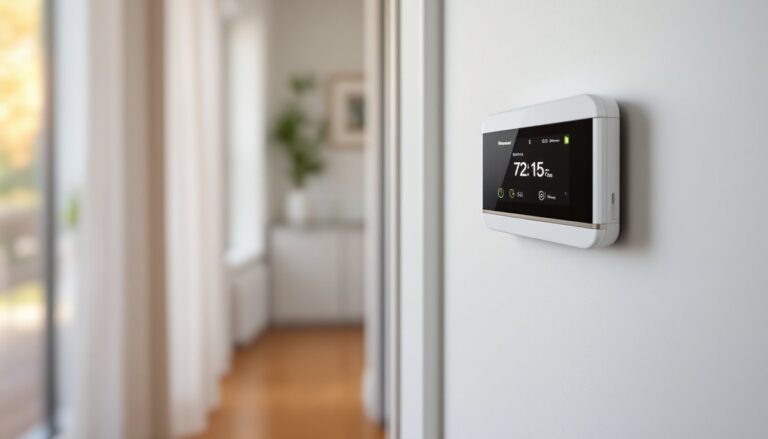
Smart thermostats lead the category of energy-saving smart home devices ideas. Nest, Ecobee, and Honeywell models learn household schedules and adjust temperatures automatically. They reduce heating and cooling costs by 10-15% on average.
Remote temperature control means no more returning to a hot or cold house. Adjust settings from anywhere using a smartphone. Geofencing features detect when residents leave and return, optimizing comfort and efficiency.
Room sensors address temperature differences throughout the home. Place them in frequently used spaces to ensure consistent comfort. The thermostat prioritizes these readings over the main unit’s location.
Smart ceiling fans work alongside HVAC systems to improve air circulation. They adjust speed based on temperature or run on schedules. Some models reverse direction automatically for seasonal efficiency.
Smart plugs and power strips monitor energy usage of connected devices. See which appliances consume the most electricity. Set schedules to turn off devices completely, eliminating standby power drain.
Solar panel monitoring systems track energy production in real time. Homeowners see exactly how much power their panels generate and consume. This data helps optimize usage patterns and maximize savings.
Smart blinds and shades control sunlight entering rooms. Close them during hot afternoons to reduce cooling loads. Open them on sunny winter days to capture free solar heat. Automation removes the daily effort of manual adjustments.
Smart Kitchen and Household Appliances
The kitchen offers numerous opportunities for smart home devices ideas. Smart refrigerators track contents, suggest recipes, and create shopping lists. Some models include cameras that show what’s inside from the grocery store.
Smart ovens preheat remotely and adjust cooking times based on recipes. Air fryers and pressure cookers with WiFi connectivity send notifications when food is ready. These features prevent overcooking and burnt meals.
Coffee makers with smart capabilities brew on schedule or on command. Wake up to fresh coffee without leaving bed. Some models adjust strength and temperature through app settings.
Smart dishwashers run during off-peak electricity hours to save money. They send alerts when cycles complete or when they need supplies. Leak detection prevents water damage from malfunctions.
Robot vacuums keep floors clean with minimal effort. Models from iRobot, Roborock, and Ecovacs map homes and clean on schedules. They return to charging bases automatically and empty their dustbins into larger containers.
Smart washing machines and dryers optimize cycles based on load size and fabric type. They notify users when laundry finishes, preventing clothes from sitting too long. Remote start features fit laundry into busy schedules.
Pet owners appreciate smart feeders that dispense food on schedule. Cameras let them check on pets throughout the day. Some dispensers track food consumption and send refill reminders.