Table of Contents
ToggleA smart home devices guide helps homeowners understand how connected technology can simplify daily life. Smart home devices have grown from niche gadgets to mainstream essentials. In 2024, over 60% of U.S. households owned at least one smart device. These products control lighting, security, climate, and entertainment through voice commands or smartphone apps. This guide covers the most popular smart home devices, how to choose them, and how to build a connected ecosystem that works.
Key Takeaways
- Smart home devices connect to the internet and allow homeowners to automate tasks, control lighting, security, and climate from anywhere.
- Choose smart home devices within the same ecosystem (Alexa, Google Assistant, or Apple HomeKit) to ensure seamless integration and easier control.
- Smart thermostats and lighting systems can reduce energy bills by 10-15% annually by optimizing usage patterns.
- Start small with a smart speaker and a few smart bulbs, then gradually expand your smart home ecosystem as you learn the technology.
- Secure your smart home network with strong passwords, two-factor authentication, and regular firmware updates to protect connected devices.
- Create automations and routines to maximize the convenience of your smart home devices—like locking doors and adjusting the thermostat with a single command.
What Are Smart Home Devices?
Smart home devices are electronic products that connect to the internet and communicate with each other. They allow users to automate tasks, monitor their homes remotely, and control systems through apps or voice assistants.
These devices use Wi-Fi, Bluetooth, Zigbee, or Z-Wave to stay connected. A smart thermostat, for example, learns heating preferences and adjusts temperatures automatically. A smart doorbell streams video to a phone when someone rings the bell.
The core benefit of smart home devices is convenience. Homeowners can lock doors, dim lights, and check security cameras from anywhere. Energy savings come next, smart thermostats and lighting systems reduce utility bills by optimizing usage patterns.
Smart home devices also improve home security. Motion sensors, smart locks, and video doorbells provide real-time alerts and footage. Some systems integrate with professional monitoring services for added protection.
Compatibility matters with these products. Many smart home devices work with Amazon Alexa, Google Assistant, or Apple HomeKit. Choosing devices within the same ecosystem ensures smoother integration and easier control.
Popular Types of Smart Home Devices
The smart home devices market offers products for nearly every room. Here are the most common categories:
Smart Speakers and Displays
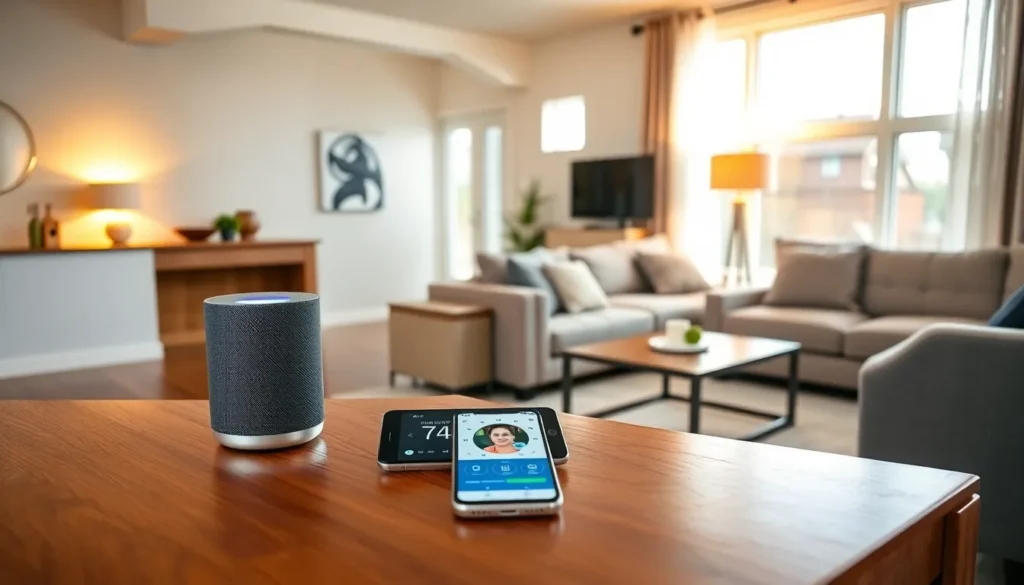
Smart speakers like Amazon Echo and Google Nest serve as central hubs. They play music, answer questions, and control other connected devices through voice commands. Smart displays add screens for video calls, recipes, and security camera feeds.
Smart Lighting
Smart bulbs and switches let users control lights remotely. Products from Philips Hue and LIFX offer millions of color options. Users can set schedules, create scenes, and sync lights with movies or music.
Smart Thermostats
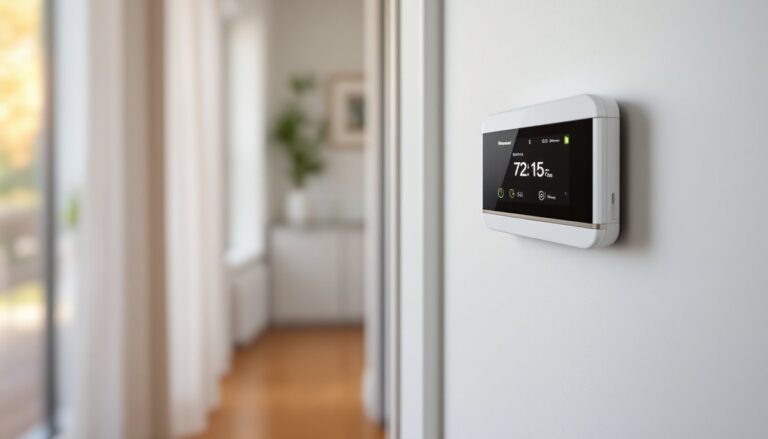
Devices like the Nest Learning Thermostat and Ecobee adjust temperatures based on occupancy and preferences. These smart home devices can reduce heating and cooling costs by 10-15% annually.
Smart Security Systems
This category includes video doorbells (Ring, Nest), security cameras, smart locks, and motion sensors. Many systems offer cloud storage for footage and integrate with monitoring services.
Smart Plugs and Outlets
Smart plugs turn regular appliances into connected devices. Users can schedule coffee makers, fans, or lamps through an app. They’re an affordable entry point into smart home technology.
Smart Appliances
Refrigerators, washing machines, and ovens now come with smart features. These appliances send notifications, allow remote control, and sometimes reorder supplies automatically.
How to Choose the Right Smart Home Devices
Selecting smart home devices requires planning. Not every product fits every home or lifestyle.
Define Your Priorities
Start with specific goals. Someone focused on security might prioritize cameras and smart locks. Energy-conscious buyers should look at smart thermostats and lighting first. Entertainment enthusiasts often begin with smart speakers and streaming devices.
Check Ecosystem Compatibility
Most smart home devices work best within specific ecosystems. Amazon Alexa, Google Assistant, and Apple HomeKit each have strengths. Alexa offers the widest device compatibility. Google Assistant excels at answering questions and integrating with Android. HomeKit prioritizes privacy and works seamlessly with Apple products.
Buying devices that share the same ecosystem prevents frustration. A Google Nest thermostat pairs naturally with Google Home speakers. Mixing ecosystems sometimes works but can limit functionality.
Consider Installation Requirements
Some smart home devices plug in and work immediately. Others need wiring or professional installation. Smart thermostats often require a C-wire. Smart locks may need new door hardware. Check requirements before purchasing.
Read Reviews and Compare Features
Not all smart home devices perform equally. A cheap smart plug might disconnect frequently. An expensive camera might lack local storage options. Read user reviews and compare specifications. Look for devices with consistent software updates and strong manufacturer support.
Set a Budget
Smart home devices range from $15 smart plugs to $500 security systems. Start small and expand over time. Many people begin with a smart speaker and a few smart bulbs, then add more devices as they learn the technology.
Setting Up Your Smart Home Ecosystem
Building a functional smart home ecosystem takes some planning. Here’s how to get started.
Choose a Central Hub
A smart speaker or display usually serves as the command center. Amazon Echo devices work with Alexa. Google Nest speakers use Google Assistant. Apple HomePod responds to Siri. This hub controls other smart home devices through voice commands.
Some advanced users add dedicated smart home hubs like Samsung SmartThings. These hubs connect devices using different protocols (Zigbee, Z-Wave, Wi-Fi) into one system.
Connect Devices to One App
Most smart home devices come with their own apps. This creates clutter. Using a platform like Google Home, Amazon Alexa, or Apple Home consolidates control. Users can manage multiple devices from one interface.
Create Automations and Routines
Automation makes smart home devices truly useful. A morning routine might turn on lights, start the coffee maker, and read the weather forecast. A “goodnight” command could lock doors, lower the thermostat, and turn off all lights.
Most platforms allow if-then automations. If motion is detected at night, turn on the porch light. If the temperature drops below 65°F, start the heater. These routines save time and energy.
Secure Your Network
Smart home devices connect to home Wi-Fi. A weak network becomes a security risk. Use strong passwords, enable two-factor authentication on device accounts, and keep firmware updated. Some homeowners create a separate Wi-Fi network just for smart devices.
Expand Gradually
Adding too many smart home devices at once causes confusion. Start with two or three products. Learn how they work. Then add more. This approach builds a system that actually gets used instead of gathering dust.