Table of Contents
ToggleSmart home devices examples range from voice-controlled speakers to automated security systems, and they’re changing how people interact with their living spaces. These connected gadgets communicate through Wi-Fi, Bluetooth, or specialized hubs to automate daily tasks and improve convenience. Whether someone wants to dim the lights from the couch or check who’s at the front door while at work, smart home technology makes it possible. This guide covers the most popular smart home devices, explains their functions, and helps readers pick the right options for their needs.
Key Takeaways
- Smart home devices examples include voice-controlled speakers, smart thermostats, video doorbells, and automated lighting systems that connect via Wi-Fi or Bluetooth.
- Smart thermostats can reduce heating and cooling costs by 10-15% by learning household patterns and adjusting temperatures automatically.
- Before purchasing smart home devices, check compatibility with your preferred voice assistant ecosystem (Alexa, Google Assistant, or Apple HomeKit).
- Security-focused smart home devices examples like video doorbells and smart locks provide real-time monitoring and keyless entry from anywhere.
- Prioritize products with strong encryption, regular security updates, and clear privacy policies to protect your household data.
- Start with one or two affordable devices like smart plugs or bulbs to learn the technology before investing in comprehensive systems.
What Are Smart Home Devices?
Smart home devices are electronic gadgets that connect to the internet and can be controlled remotely through smartphones, tablets, or voice commands. They form part of a larger ecosystem often called the Internet of Things (IoT), where everyday objects communicate with each other and their users.
These devices typically connect through a home’s Wi-Fi network or a dedicated smart hub. Once connected, users can control them through dedicated apps or voice assistants like Amazon Alexa, Google Assistant, or Apple’s Siri. The real magic happens when multiple smart home devices work together, imagine the lights dimming automatically when the TV turns on, or the thermostat adjusting when everyone leaves for work.
Smart home devices fall into several categories based on their function. Some focus on entertainment, others on security, and many aim to reduce energy consumption. The common thread? They all make homes more responsive to the people living in them.
Popular smart home devices examples include smart thermostats that learn household schedules, video doorbells that show visitors on a phone screen, and smart plugs that turn ordinary appliances into connected ones. The technology has become more affordable and user-friendly over the past few years, making it accessible to average homeowners rather than just tech enthusiasts.
Popular Smart Home Device Categories
Smart Speakers and Voice Assistants
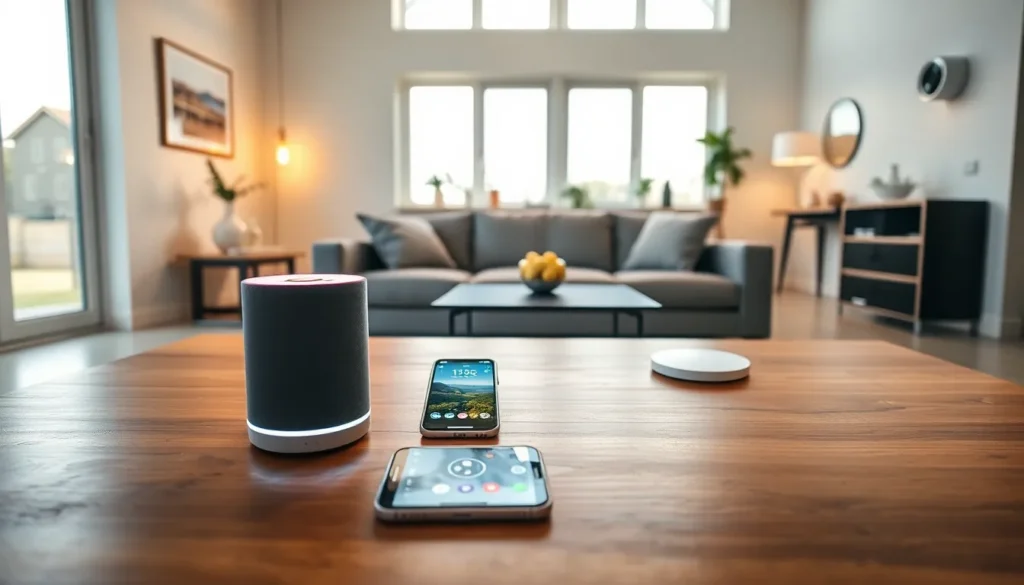
Smart speakers serve as the command center for many connected homes. Amazon Echo devices with Alexa, Google Nest speakers with Google Assistant, and Apple HomePod with Siri are the market leaders. These devices respond to voice commands, play music, answer questions, and control other smart home devices.
A smart speaker can set timers, create shopping lists, read the news, and make phone calls, all hands-free. They’ve become particularly useful for accessibility, helping people with mobility challenges control their environment through voice alone.
The latest smart home devices examples in this category include smart displays like the Echo Show and Google Nest Hub. These add touchscreens to the mix, allowing users to watch video content, make video calls, and view security camera feeds.
Smart Lighting and Climate Control
Smart lighting systems offer more than just remote on/off control. Products like Philips Hue, LIFX, and Wyze bulbs let users adjust brightness, change colors, and set schedules. Some systems sync with movies or music for immersive entertainment experiences.
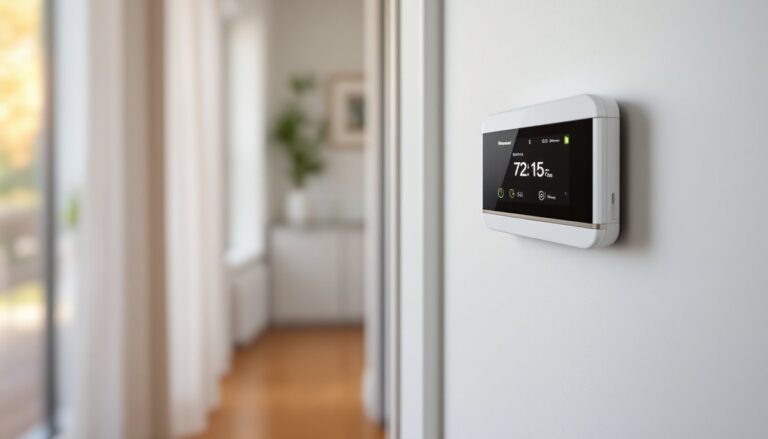
Smart thermostats represent some of the most practical smart home devices examples available today. The Nest Learning Thermostat, Ecobee, and Honeywell Home models learn household patterns and adjust temperatures automatically. Many users report significant savings on energy bills, some studies suggest up to 10-15% reductions in heating and cooling costs.
Smart blinds and curtains add another layer of climate control. They can open with sunrise or close during peak heat hours, reducing the load on HVAC systems.
Security and Surveillance Systems
Home security has transformed with smart technology. Video doorbells from Ring, Nest, and Eufy show who’s at the door in real-time, whether the homeowner is in the kitchen or across the country. Many include motion detection, two-way audio, and cloud storage for recorded footage.
Smart locks eliminate the need for physical keys. August, Schlage, and Yale offer models that can be unlocked via smartphone, keypad codes, or even automatically when the homeowner approaches. They also create logs of who enters and when, useful for families or Airbnb hosts.
Indoor and outdoor smart cameras from brands like Arlo, Blink, and Wyze provide 24/7 monitoring. Many include night vision, person detection, and integration with other smart home devices. Some systems trigger lights when motion is detected, creating an effective deterrent against intruders.
How to Choose the Right Smart Devices for Your Home
Selecting smart home devices starts with identifying actual needs rather than chasing the latest gadgets. Someone who travels frequently might prioritize security cameras and smart locks. A family focused on energy savings would benefit most from smart thermostats and lighting controls.
Compatibility matters more than most people realize. Smart home devices examples that work perfectly with Alexa might have limited functionality with Google Assistant or HomeKit. Before buying, check which ecosystem a household already uses, or wants to use, and stick with compatible products.
Budget considerations vary widely across smart home devices. Entry-level smart plugs cost under $15, while comprehensive security systems can run several hundred dollars. Starting with one or two devices helps users learn the technology before committing to larger investments.
Installation requirements differ too. Smart bulbs simply screw in like regular bulbs. Smart thermostats require basic wiring knowledge. Smart locks may need door modifications. Reading installation guides before purchasing prevents frustrating surprises.
Privacy and security deserve serious thought. Smart home devices collect data about daily routines, and that information travels through company servers. Look for products with strong encryption, regular security updates, and clear privacy policies. Using unique, strong passwords for smart home accounts adds another protection layer.
Internet reliability also plays a role. Most smart home devices depend on Wi-Fi, so homes with spotty coverage may experience frustrating delays or disconnections. Mesh Wi-Fi systems or range extenders can solve this problem before it starts.