Table of Contents
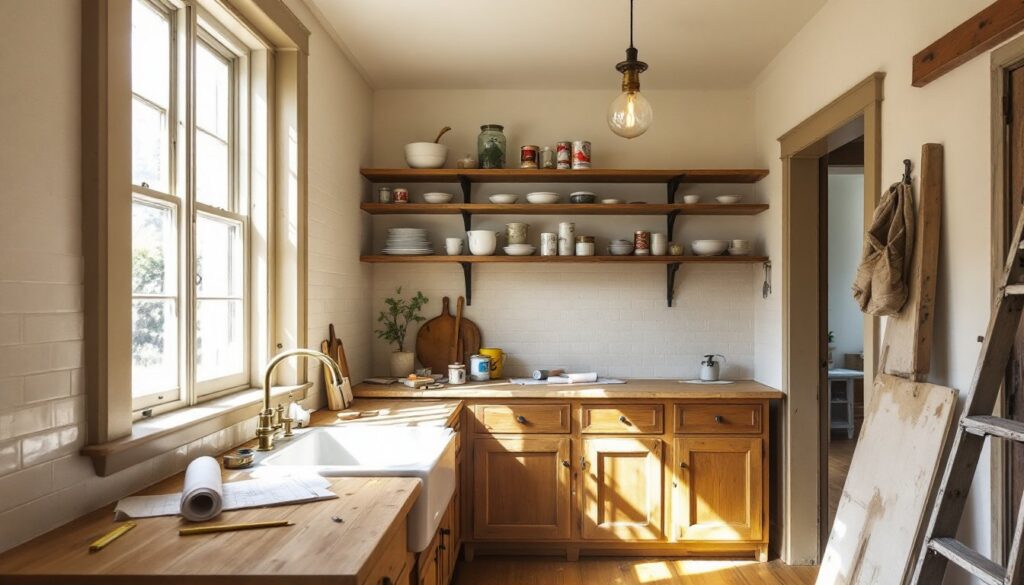
ToggleRemodeling a small kitchen in an old house isn’t like flipping a builder-grade galley from the ’90s. Walls aren’t plumb, floors slope, and electrical might predate three-prong outlets. But these quirks often come with original wood floors, deep window sills, and architectural details worth keeping. The trick is modernizing function without erasing character, and doing it in tight quarters where every inch matters. A well-planned remodel can turn a cramped, outdated space into an efficient kitchen that honors the home’s history while serving today’s needs.
Key Takeaways
- Old house small kitchen remodels typically range from $15,000–$35,000 but require an extra 20% budget padding for inevitable structural surprises like rotted sill plates and outdated wiring.
- Prioritize spending on infrastructure—electrical, plumbing, and structural work—over finishes, as these investments ensure safety and longevity far beyond cosmetic choices.
- Maximize storage in compact spaces by using full-height upper cabinets, pull-out drawers, pantry cabinets, and toe-kick solutions that reclaim every inch of usable space.
- Preserve original architectural details like wood trim, cast-iron sinks, and period hardware by refinishing or refacing rather than replacing, which honors character while modernizing function.
- Improve layout and perceived spaciousness through layered lighting (ambient, task, and accent), light color palettes, and strategic appliance downsizing or doorway relocation.
- Old house kitchens require special attention to plaster walls, asbestos/lead testing, uneven floors, and non-standard framing—issues that demand licensed professionals and proper permits rather than DIY shortcuts.
Why Small Kitchens in Old Houses Require Special Attention
Old houses weren’t built to modern standards. The International Residential Code didn’t exist when most pre-1950 homes went up, so you’ll often find undersized wiring, knob-and-tube remnants, and plumbing that barely meets today’s flow requirements.
Walls may not be square or straight. Studs might sit on 24-inch centers instead of 16, and they’re often true-dimension lumber (a 2×4 actually measures 2″ × 4″), not today’s nominal sizing (1.5″ × 3.5″). This complicates cabinet installation and drywall patching.
Load-bearing walls are trickier to identify without original plans. Removing even a short section to open up space can require an engineer’s stamp and a beam install, not a DIY demo day.
Asbestos and lead paint are real concerns in homes built before 1978. Any wall or ceiling work should include testing, especially around windows, trim, and plaster. Disturbing these materials without proper containment and disposal isn’t just unsafe, it’s illegal in many jurisdictions.
Surfaces rarely cooperate. Plaster walls need different anchors than drywall. Floors may need leveling compound before tile goes down. Humidity and settling mean cracks reappear, so plan for flexible materials and expect some give-and-take during install.
Planning Your Old House Kitchen Remodel on a Budget
Set a realistic budget before touching a wall. Small kitchen remodels in old houses typically run $15,000–$35,000, but costs vary wildly by region, material grade, and how much structural work surfaces once walls open up.
Always pad the budget by 20% for surprises. You’ll find them: rotted sill plates under windows, outdated wiring that needs a full panel upgrade, or floor joists that sag and need sistering. These aren’t optional fixes.
Prioritize spending on infrastructure over finishes. New wiring that meets National Electrical Code standards, proper venting for gas appliances, and plumbing that won’t leak behind cabinets matter more than stone countertops.
DIY what you can, hire what you can’t. Demolition, painting, and installing open shelving are approachable for most homeowners. Electrical, gas line work, and structural modifications require licensed pros and permits. Skipping permits might save money now, but it’ll haunt you during resale or insurance claims.
Salvage and reuse when possible. Keep original wood floors, restore old windows instead of replacing them, and refinish vintage hardware. These elements add value and character that new materials can’t replicate. Many budget renovation projects succeed by mixing thrifted finds with strategic splurges on function-critical items like faucets and appliances.
Maximizing Storage in a Small Vintage Kitchen
Small kitchens demand vertical thinking. Upper cabinets that reach the ceiling add 12–18 inches of usable storage compared to standard 30-inch or 36-inch boxes. The top shelf works fine for items used seasonally.
Open shelving reclaims wall space without the visual weight of upper cabinets, but it requires discipline, everything on display needs to earn its spot. Use it for everyday dishes and glassware, not mismatched storage containers.
Inside cabinets, add pull-out drawers or lazy Susans in corners. Base cabinets with roll-out trays give better access than fixed shelves, especially in deep spaces where items get lost in back.
Peg boards or metal rails mounted on empty wall sections hold utensils, pots, and cutting boards. They keep counters clear and tools within arm’s reach while cooking.
Consider a pantry cabinet if there’s room. A 12-inch or 18-inch-wide pullout pantry fits in tight spots and holds more than scattered cupboard space. It’s one of the highest-return storage upgrades in a compact kitchen.
Don’t overlook toe-kick drawers under base cabinets. These shallow pull-outs (about 4 inches tall) work for baking sheets, cooling racks, or cutting boards, items that don’t stack well elsewhere. For more ideas on organizing tight spaces, kitchen storage solutions offer dozens of tested layouts and product reviews.
Preserving Original Character While Modernizing
Old house kitchens often have details worth saving: wood trim, plaster crown molding, vintage tile, or original cabinetry with inset panel doors. Stripping these out for a cookie-cutter remodel erases what makes the space special.
Start by identifying what’s original and what’s been added over the years. Not every old thing is worth keeping, 1970s laminate and particle board can go. But solid wood doors, cast-iron sinks, and period hardware deserve a second look.
Refinish instead of replace when possible. Wood cabinets can be stripped, sanded, and repainted or stained. It’s labor-intensive but far cheaper than new custom boxes, and the joinery in older cabinets often outlasts modern construction.
If cabinets are too far gone, keep the doors and reface or rebuild the boxes. Plane down doors that no longer fit square openings, a common issue in settling homes.
Match new elements to the home’s era. Subway tile, farmhouse sinks, and simple Shaker-style cabinets suit most old houses without feeling like a costume. Avoid ultra-modern finishes (high-gloss lacquer, frameless Euro cabinets) unless the rest of the home has been updated to match.
When adding modern appliances, consider panel-ready models that accept custom fronts. A dishwasher faced with a wood panel blends into vintage cabinetry better than stainless steel. Many older kitchen replacement projects successfully mix new function with preserved character by keeping sightlines consistent.
Smart Layout Solutions for Compact Old House Kitchens
Old house kitchens weren’t designed for the work triangle, they were afterthoughts, sometimes added to porches or carved out of pantries. Rethinking layout makes the biggest functional difference.
A galley layout works well in narrow spaces. Place the sink and stove on one wall, the fridge on the other, and keep the aisle at least 42 inches wide so cabinet doors and appliances can open without blocking passage.
If there’s room for an island, keep it small, 48 inches long or less. It can hold a cooktop, provide extra prep surface, or add seating for two. Just maintain at least 36 inches of clearance on all sides for safe movement.
Peninsula layouts extend counters from one wall to create a natural divide without closing off the space. They’re useful in kitchens that open to dining rooms, offering a spot for stools and a visual boundary.
Relocating doorways often opens up usable wall space. Moving an entry a few feet can allow full-height cabinets where a swinging door once ate up room. This may require patching floors and reframing, but the payoff in layout flexibility is significant.
Don’t assume walls are fixed. Many old houses have non-structural partitions that can be removed or shortened to borrow space from adjacent rooms. Always check with a structural engineer before cutting.
Appliances matter. A 24-inch range instead of 30 inches, or an 18-inch dishwasher instead of 24 inches, can free up a foot of cabinet space. Compact models perform nearly as well and fit proportionally better in small vintage kitchens.
Lighting and Color Strategies to Expand Your Space
Small kitchens feel smaller in dim light. Old houses often have a single ceiling fixture and maybe a window over the sink, not enough for safe prep work or a welcoming atmosphere.
Layer your lighting: ambient (ceiling or flush-mount), task (under-cabinet LED strips), and accent (pendant over a table or island). This approach eliminates shadows and makes the space feel larger and more intentional.
Under-cabinet LED strips are a must. They light counters for chopping and cooking, and they’re easy to retrofit. Hardwired versions look cleaner, but plug-in strips work fine if outlets are accessible.
Replace old ceiling fixtures with brighter, energy-efficient options. Aim for at least 75 lumens per square foot for general lighting. Dimmer switches add flexibility for different times of day.
Light colors reflect more light. White or pale gray cabinets and walls bounce natural and artificial light around, making tight quarters feel airier. Save darker tones for accents or a single feature wall.
Glossy finishes, tile backsplashes, semi-gloss paint, polished countertops, add subtle reflectivity. Don’t overdo it, but a bit of sheen helps.
Keep window treatments minimal. Old houses often have great windows: let that natural light in. Café curtains or simple shades work better than heavy drapes.
Paint the ceiling the same color as the walls, or go one shade lighter. This erases the visual boundary and draws the eye up, creating a sense of height even in rooms with low ceilings.
Conclusion
Remodeling a small kitchen in an old house takes patience, realistic budgeting, and respect for what’s already there. The best results balance modern efficiency with original character, turning a cramped corner into a functional space that feels rooted in the home’s history. Measure twice, hire help for the technical work, and don’t skip the unsexy stuff, wiring, plumbing, and structural fixes pay off every day you use the kitchen.