Table of Contents
ToggleHouse hacking trends 2026 point to major shifts in how investors generate rental income from their primary residences. Rising housing costs, changing family dynamics, and new regulations are reshaping strategies across the country. Investors who stay ahead of these changes will find better opportunities to offset mortgage payments and build wealth.
This year brings fresh approaches to house hacking. Multigenerational living arrangements are gaining ground. Short-term rental rules are forcing pivots. Accessory dwelling units (ADUs) are easier to build than ever. And smart technology is making property management simpler for owner-occupants. Here’s what investors need to know to make informed decisions in 2026.
Key Takeaways
- Multigenerational house hacking is a top house hacking trend in 2026, helping families pool resources and share larger properties to offset rising housing costs.
- Short-term rental regulations are pushing investors toward medium-term rentals (30+ days) and rent-by-the-room strategies that avoid restrictive local rules.
- ADU-friendly policies and prefab solutions make building accessory dwelling units faster and more affordable, with many paying for themselves within 7-10 years.
- Smart technology—including smart locks, property management software, and noise monitors—simplifies house hacking for owner-occupants in 2026.
- Always research local regulations before choosing a house hacking strategy, as rules vary significantly between cities and neighborhoods.
The Rise of Multigenerational House Hacking
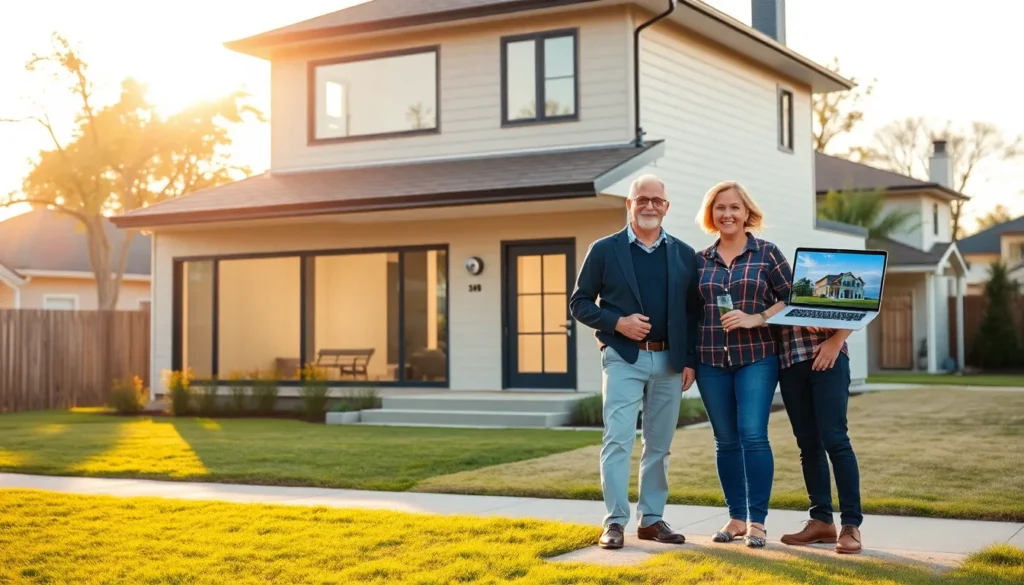
Multigenerational house hacking is becoming one of the defining house hacking trends 2026 has to offer. More families are pooling resources to purchase larger properties where multiple generations live under one roof, or at least on the same lot.
The numbers tell a clear story. According to Pew Research, roughly 18% of Americans now live in multigenerational households. That figure keeps climbing as housing affordability worsens. For house hackers, this shift creates opportunity.
Investors are buying duplexes, triplexes, and single-family homes with in-law suites. Adult children rent from parents. Parents rent from adult children. Sometimes three generations split costs and share space. The arrangement reduces everyone’s housing burden while building family equity.
This house hacking approach works especially well in high-cost markets. A family in Los Angeles or Seattle might struggle to afford a home alone. But combine incomes and split a $900,000 duplex? Suddenly the math works.
Lenders are adapting too. Some now offer specific loan products for multigenerational purchases. FHA loans already allow rental income from attached units to help buyers qualify. Expect more financing options to emerge as this house hacking trend grows.
The key challenge? Setting clear boundaries. Successful multigenerational house hackers establish written agreements covering rent amounts, shared expenses, maintenance responsibilities, and exit strategies. Treating family like tenants, professionally and fairly, prevents conflicts down the road.
Short-Term Rental Regulations Reshape Strategies
Short-term rentals powered house hacking profits for years. Platforms like Airbnb let owner-occupants rent spare rooms or basement apartments to travelers. The income often exceeded traditional long-term rental rates.
But cities pushed back. And house hacking trends 2026 reflect those regulatory changes.
Denver now limits short-term rentals to primary residences only. New York City requires hosts to be present during guest stays. Austin caps the number of non-owner-occupied short-term rental permits. Similar rules exist in dozens of markets.
Smart house hackers are adjusting. Many now focus on medium-term rentals lasting 30 days or more. These “MTRs” often fall outside short-term rental regulations. They also attract reliable tenants: traveling nurses, remote workers on temporary assignments, and corporate relocations.
Medium-term rentals typically earn less per night than short-term stays. But they come with lower turnover, fewer cleaning costs, and reduced management headaches. For house hackers living on-site, that trade-off often makes sense.
Other investors are pivoting to rent-by-the-room strategies. Instead of listing an entire unit, they rent individual bedrooms to long-term tenants. This approach maximizes rental income while avoiding short-term rental restrictions entirely.
Before choosing a house hacking strategy in 2026, investors must research local rules thoroughly. Regulations vary wildly between cities, and sometimes between neighborhoods. A strategy that works in Phoenix might violate laws in Portland.
ADU Expansion and Prefab Solutions
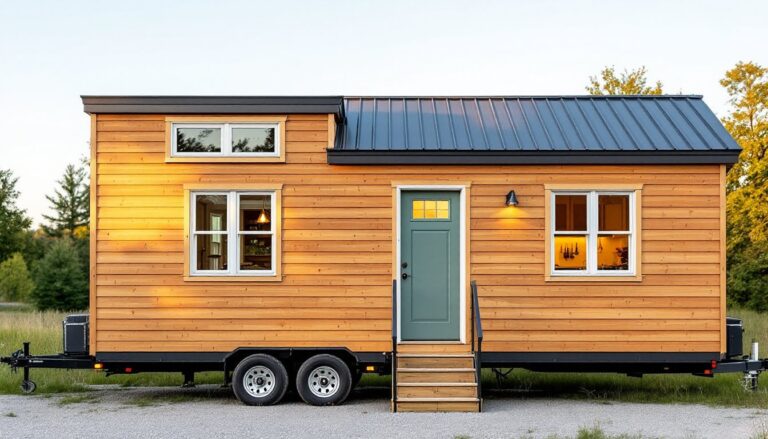
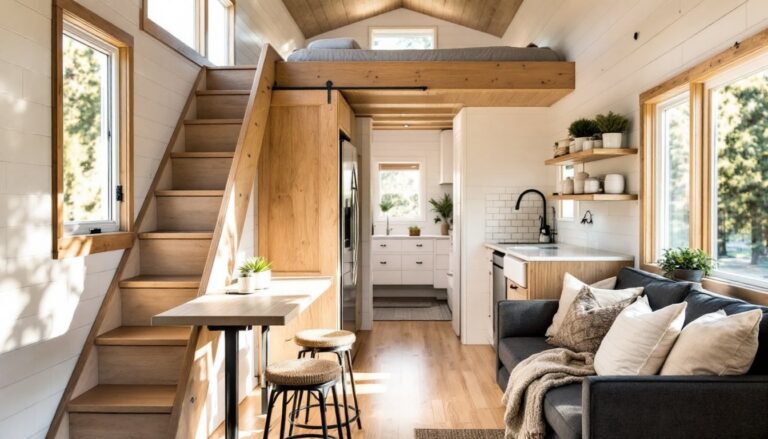
Accessory dwelling units remain central to house hacking trends 2026. These secondary units, backyard cottages, garage conversions, basement apartments, let homeowners add rental income without buying additional property.
State and local governments are making ADUs easier to build. California eliminated many single-family zoning restrictions. Oregon allows ADUs statewide. Washington, Vermont, and Montana passed similar laws. The trend toward ADU-friendly policies continues spreading.
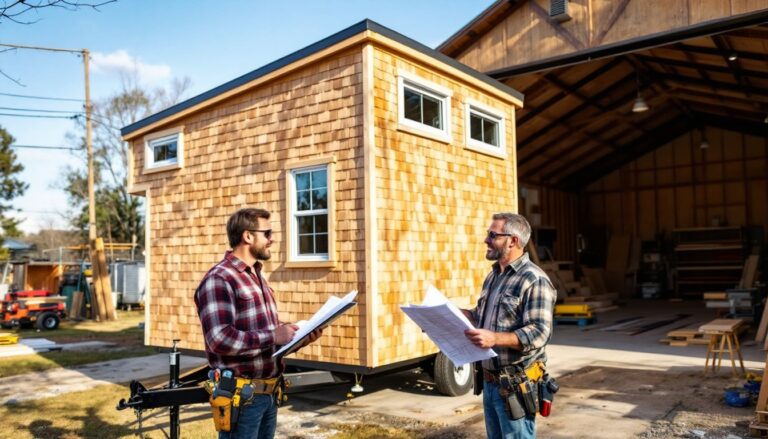
Prefabricated ADUs are changing the game. Companies now manufacture complete units in factories and install them on-site within weeks. Traditional ADU construction takes 12-18 months. Prefab options can be ready in 3-6 months.
Costs vary widely. A basic prefab ADU might run $100,000-$150,000 including installation. Custom-built units often exceed $200,000. Either way, the investment typically generates positive cash flow for house hackers.
Consider the math. A detached ADU in a mid-sized city might rent for $1,500 monthly. That’s $18,000 annually. Even accounting for financing costs, maintenance, and vacancy, most ADUs pay for themselves within 7-10 years, while the property appreciates.
House hacking with ADUs requires patience. Permitting still takes time in most jurisdictions. Utility connections add complexity. And not every lot can accommodate an additional structure. But for properties that qualify, ADUs represent one of the most reliable house hacking strategies available in 2026.
Technology-Driven Property Management
Technology is simplifying house hacking in 2026. Owner-occupants now access tools that previously only professional landlords used.
Smart locks eliminate key exchanges. Tenants and guests receive unique codes. House hackers can grant access remotely and track entry logs. No more late-night lockouts or lost key emergencies.
Property management software handles the business side. Platforms like Stessa, Avail, and Buildium help house hackers collect rent, screen tenants, track expenses, and generate reports. Many offer free tiers for small portfolios.
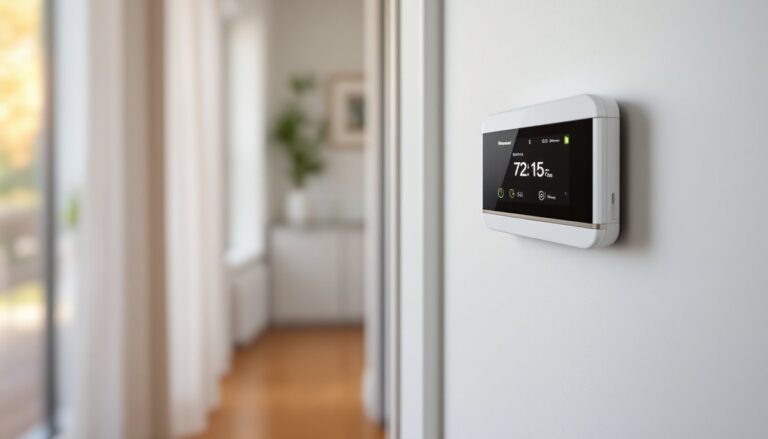
Smart home devices reduce utility costs and prevent problems. Water leak sensors catch issues before they cause major damage. Smart thermostats optimize heating and cooling. Energy monitors identify waste. These tools protect house hacking investments.
Automated guest communication matters for short and medium-term rentals. Messaging tools send check-in instructions, house rules, and checkout reminders without manual effort. House hackers save hours weekly.
Noise monitoring devices help owner-occupants maintain peace. Products like NoiseAware alert hosts when sound levels suggest parties, without recording actual audio. This technology protects relationships with neighbors and prevents property damage.
The house hacking trends 2026 brings include deeper integration between these systems. Investors increasingly connect smart locks, thermostats, and communication tools into unified platforms. The result? Less hands-on management and more consistent tenant experiences.