Table of Contents
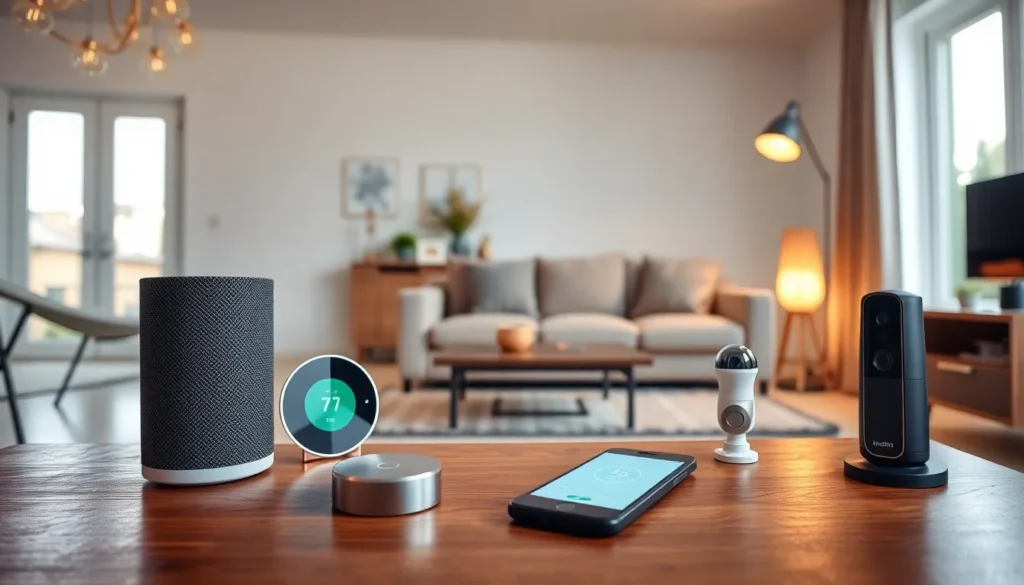
ToggleThe best smart home devices can transform any house into a more efficient, secure, and comfortable living space. From voice-controlled assistants to automated lighting and climate control, these gadgets simplify daily routines and reduce energy bills. The smart home market continues to expand, with options available for every budget and need. This guide covers the top categories of smart home devices, explains what makes each one valuable, and offers practical advice for building a connected home that actually works.
Key Takeaways
- The best smart home devices include smart speakers, lighting, thermostats, and security cameras—each offering unique benefits for comfort, efficiency, and security.
- Choose one ecosystem (Alexa, Google Home, or Apple HomeKit) and stick with it to ensure all your smart home devices work seamlessly together.
- Smart thermostats can save 10-15% on heating and cooling costs, typically paying for themselves within two years.
- Before buying security cameras or doorbells, factor in subscription costs for cloud storage and advanced features like person detection.
- Start small with a smart speaker and a few smart bulbs, then expand your smart home setup based on what proves most useful for your daily routine.
Smart Speakers and Voice Assistants
Smart speakers serve as the central hub for many smart home setups. These devices respond to voice commands, play music, answer questions, and control other connected gadgets throughout the house.
The Amazon Echo series remains one of the best smart home devices for voice control. Alexa, Amazon’s voice assistant, works with thousands of third-party products. Users can dim lights, lock doors, or check the weather without lifting a finger. The Echo Dot offers an affordable entry point, while the Echo Studio delivers premium sound quality for audiophiles.
Google Nest speakers provide strong competition. Google Assistant excels at answering complex questions and integrating with Google services like Calendar and Maps. The Nest Hub adds a touchscreen display, making it useful for video calls and viewing security camera feeds.
Apple’s HomePod mini appeals to iPhone users. It syncs smoothly with Apple devices and supports Siri commands. The sound quality punches above its price point, and Apple’s focus on privacy reassures security-conscious buyers.
These smart home devices work best when paired with compatible products. Before purchasing, check which ecosystem, Alexa, Google, or Apple HomeKit, supports the other devices planned for the home.
Smart Lighting Solutions
Smart lighting ranks among the most popular smart home devices because installation is simple and the benefits are immediate. Replace a standard bulb, connect to Wi-Fi, and gain control over brightness, color, and scheduling.
Philips Hue leads the smart lighting market. The bulbs offer millions of color options and integrate with every major voice assistant. The Hue Bridge connects up to 50 lights and enables features like geofencing, which automatically turns lights on when residents arrive home. Yes, the price is higher than competitors, but reliability and app quality justify the cost for many users.
WYZE bulbs deliver solid performance at budget-friendly prices. They connect directly to Wi-Fi without requiring a separate hub. Basic features like dimming, scheduling, and voice control work well. Color options are more limited than Hue, but most households don’t need 16 million shades anyway.
Smart light switches offer another approach. Lutron Caseta switches replace existing wall switches and control any bulb, smart or traditional. This solution works well for fixtures with multiple bulbs or hard-to-reach locations.
The best smart home devices for lighting depend on priorities. Want maximum customization? Choose Philips Hue. Need affordability? WYZE delivers. Prefer whole-room control? Consider smart switches.
Smart Thermostats and Climate Control
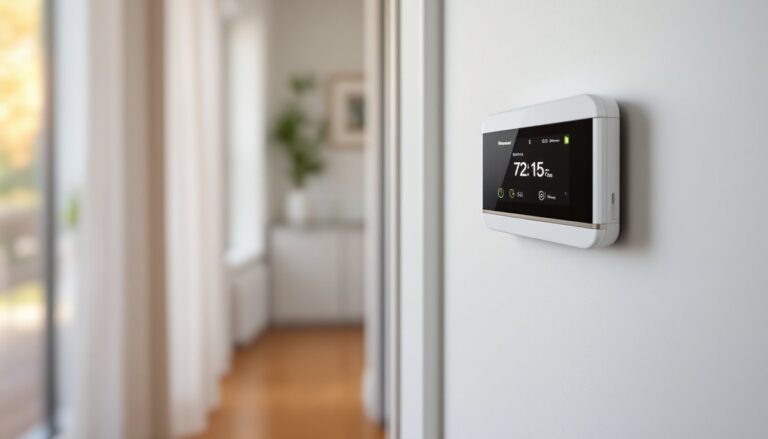
Smart thermostats pay for themselves through energy savings. These smart home devices learn household patterns, adjust temperatures automatically, and provide detailed energy reports.
The Google Nest Learning Thermostat pioneered this category. It tracks when residents leave and return, then adjusts heating and cooling accordingly. The device displays energy usage history and suggests ways to reduce consumption. After a few weeks of use, it creates a custom schedule without manual programming.
Ecobee thermostats include room sensors that measure temperature in multiple locations. This feature prevents hot and cold spots common in larger homes. The built-in Alexa speaker adds voice control without needing a separate smart speaker.
Honeywell Home T9 offers similar sensor technology with a clean interface and broad HVAC compatibility. It works with most heating and cooling systems, including heat pumps and multi-stage units.
Budget-conscious buyers should consider the Nest Thermostat (the simpler, less expensive model). It lacks the learning features of its premium sibling but still provides app control, scheduling, and energy reports.
Most households save 10-15% on heating and cooling costs after installing smart thermostats. That adds up to $100-$150 annually for average American homes, meaning these smart home devices typically recoup their cost within two years.
Smart Security Cameras and Doorbells
Security cameras and video doorbells rank among the most sought-after smart home devices. They provide peace of mind, deter package theft, and let homeowners monitor their property remotely.
Ring Video Doorbell remains the dominant choice for front-door security. When someone presses the button or triggers motion detection, the homeowner receives a smartphone notification with live video. Two-way audio allows conversations with delivery drivers or visitors. Ring offers multiple models, from the budget-friendly Wired version to the premium Video Doorbell Pro 2 with radar-powered motion detection.
Arlo cameras excel in outdoor applications. Wireless installation means no drilling near electrical outlets. The cameras record in 4K resolution, see clearly at night, and distinguish between people, animals, and vehicles. Color night vision sets Arlo apart from competitors that only capture black-and-white footage after dark.
WYZE Cam provides remarkable value for indoor monitoring. At around $30, it records 1080p video, supports two-way audio, and stores footage locally on a microSD card. The optional cloud subscription costs just $2 monthly for extended storage.
These smart home devices require consideration of subscription costs. Most brands offer free basic features but charge monthly fees for advanced capabilities like extended video history, person detection, and 24/7 recording. Factor these ongoing expenses into the total cost of ownership.
How to Choose the Right Smart Home Devices
Selecting the best smart home devices requires matching products to specific needs and existing technology. A few key considerations help narrow down the options.
Ecosystem Compatibility
Pick one primary ecosystem, Amazon Alexa, Google Home, or Apple HomeKit, and prioritize devices that support it. Mixing ecosystems creates friction. A household using iPhones might lean toward HomeKit, while Android users often prefer Google Home.
Installation Requirements
Some smart home devices plug in and work immediately. Others need hardwiring, hub connections, or professional installation. Renters should focus on wireless, removable options. Homeowners have more flexibility.
Subscription Costs
Many smart home devices work without subscriptions but offer premium features behind paywalls. Security cameras often require monthly fees for cloud storage. Smart doorbells may charge for person detection. Add these costs when comparing products.
Network Capacity
Every smart device connects to the home network. Older routers struggle with dozens of connections. Consider upgrading to a mesh Wi-Fi system if adding multiple smart home devices. Look for products supporting the Matter standard, which improves cross-platform compatibility.
Start Small
Begin with one or two smart home devices rather than overhauling everything at once. A smart speaker and a few smart bulbs make a good starting point. Expand gradually based on what actually proves useful.