Table of Contents
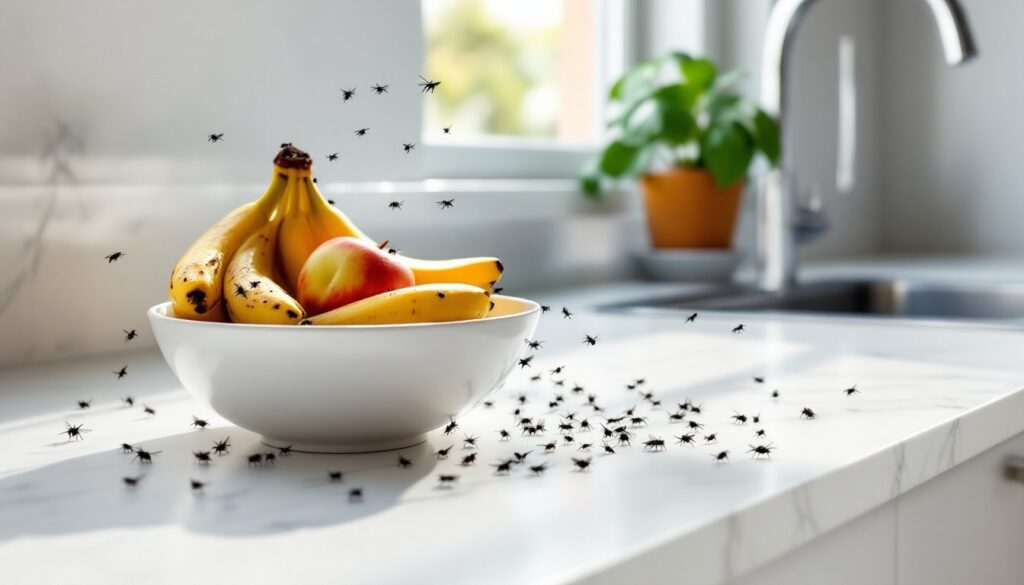
ToggleYou walk into the kitchen, and there they are again, little black specks hovering near the sink, clustering around the fruit bowl, or circling that houseplant. They’re too small to swat easily and seem to multiply overnight. These aren’t the houseflies everyone recognizes: they’re smaller, darker, and far more persistent.
Tiny black flying bugs typically fall into one of three categories: fungus gnats, drain flies, or fruit flies. Each thrives in specific conditions, moisture, organic matter, or decaying food, and each requires a different removal strategy. Identifying which bug has moved in is the first step toward getting them out for good.
Key Takeaways
- Tiny black flying bugs in your house are most likely fungus gnats, drain flies, or fruit flies, each thriving in different moisture and organic matter conditions.
- Fungus gnats breed in overwatered houseplant soil, drain flies live in clogged drain biofilm, and fruit flies swarm around fermenting produce—identifying which species you have determines your removal strategy.
- Eliminating breeding sites is the key to control: let plant soil dry out, scrub and clean drains, remove food sources, and reduce indoor humidity below 50%.
- Yellow sticky traps for fungus gnats, enzymatic drain cleaners for drain flies, and vinegar traps for fruit flies provide effective DIY solutions without harsh chemicals.
- These insects reproduce rapidly from egg to adult in under two weeks, so immediate action targeting moisture and organic decay prevents infestations from spiraling into swarms.
What Are Those Tiny Black Flying Bugs?
Most tiny black flying insects found indoors measure between 1/16 to 1/8 inch long, roughly the size of a pinhead. At that scale, they’re easy to mistake for one another until you look closer at their behavior and habitat.
These bugs share a few traits: they’re drawn to moisture, organic decay, and areas with poor air circulation. They don’t bite humans (with rare exceptions), but they’re excellent at finding weak spots in household hygiene, overwatered plants, clogged drains, forgotten produce, or damp basements.
Identification comes down to where you see them and what they’re doing. Are they bouncing around potted plants? Resting on bathroom walls near the shower? Hovering over a bowl of bananas? Location tells you which species you’re dealing with, and that determines your removal plan.
These insects reproduce quickly, often going from egg to adult in less than two weeks, so a handful today can become a swarm by next week if the underlying conditions aren’t addressed.
Common Types of Small Black Flying Insects
Fungus Gnats
Fungus gnats are delicate, mosquito-like insects with long legs and segmented antennae. Adults are mostly harmless, but their larvae feed on organic matter in soil, particularly in overwatered houseplants. If you see tiny black bugs circling your fiddle-leaf fig or pothos, fungus gnats are the likely culprit.
They prefer moist potting soil rich in decaying plant material. Overwatering creates the perfect breeding ground: damp soil stays wet long enough for eggs to hatch and larvae to mature. Adults live about a week, but females can lay up to 300 eggs in that time, all deposited in the top layer of soil.
To confirm fungus gnats, tap the soil surface. Adults will take off in a scattered, erratic flight pattern. You might also spot larvae, small, translucent worms with black heads, if you dig into the top inch of soil.
Drain Flies
Drain flies (also called moth flies or sewer gnats) are fuzzy, moth-like insects about 1/8 inch long. Their wings are covered in tiny hairs, giving them a dusty, grayish appearance. They’re weak fliers and tend to rest on walls near sinks, showers, or floor drains.
These bugs breed in the organic slime that builds up inside drain pipes, a layer of soap scum, hair, grease, and biofilm. That gunk provides food and shelter for drain fly larvae, which can complete their life cycle in as little as 10 days.
You’ll find drain flies in bathrooms, basements, laundry rooms, or anywhere plumbing hasn’t been cleaned recently. Unlike fungus gnats, they don’t fly far from their breeding site. If you’re seeing them exclusively in one bathroom, check that drain first.
Fruit Flies
Fruit flies are tan to dark brown, with distinctive red eyes (though some species appear nearly black). They’re slightly larger than fungus gnats but still tiny, about 1/8 inch. They’re attracted to fermenting or overripe produce, as well as sugary liquids, alcohol, and garbage.
Fruit flies can detect the scent of fermenting fruit from across a room. A single banana peel in the trash or a half-empty wine bottle on the counter is enough to draw them in. Females lay eggs directly on the surface of decaying organic matter, and larvae hatch within 24 to 30 hours.
They’re most active in kitchens, but they’ll also show up near compost bins, recycling containers, or anywhere food waste sits for more than a day. Fruit flies are notorious for appearing seemingly out of nowhere, because they can.
Why These Bugs Are Attracted to Your Home
All three species share a common thread: they need moisture and organic material to reproduce. Your home offers both in abundance, often without you realizing it.
Overwatering houseplants is the top culprit for fungus gnats. Soil that stays damp for days creates an oxygen-poor environment where fungi and algae thrive, exactly what fungus gnat larvae eat. If your watering schedule is generous and drainage is poor, you’re rolling out the welcome mat.
Neglected drains harbor the biofilm that drain flies depend on. Even if you clean visible surfaces, the inside of a P-trap or overflow drain can accumulate a thick layer of organic sludge. Drains used infrequently, guest bathrooms, basement sinks, are especially prone because they dry out, cracking the protective water seal.
Food waste and ripe produce attract fruit flies. Leaving fruit on the counter isn’t inherently a problem, but once it starts to soften or bruise, it releases ethanol and other volatiles that fruit flies detect from outside. Many homeowners notice an increase in pantry organization helps reduce hidden food sources that attract pests like fruit flies.
High indoor humidity amplifies all three issues. Homes with poor ventilation, leaky pipes, or damp basements create micro-climates where these insects flourish. Relative humidity above 60% keeps soil moist longer, slows evaporation in drains, and accelerates fruit decay.
DIY Methods to Get Rid of Black Flying Bugs
Removing these insects isn’t about pesticides, it’s about eliminating their breeding sites. You can spray all you want, but if the conditions remain, new generations will hatch within days.
For fungus gnats:
- Let soil dry out. Water only when the top 2 inches of soil are completely dry to the touch. Most houseplants tolerate this: overwatering kills more plants than underwatering.
- Top-dress with sand or gravel. A 1/2-inch layer of coarse sand or aquarium gravel prevents adults from laying eggs in soil. Larvae can’t move through it.
- Use yellow sticky traps. Place them at soil level to catch adults. These won’t solve the problem alone, but they reduce the breeding population.
- Apply Bacillus thuringiensis israelensis (Bti). This biological larvicide kills fungus gnat larvae without harming plants. Mix it into your watering routine according to package directions. Homeowners managing fungus gnats often benefit from proven gnat control methods to address infestations quickly.
For drain flies:
- Identify the source drain. Tape a plastic bag loosely over suspect drains overnight. If flies are trapped inside by morning, you’ve found the breeding site.
- Scrub the drain. Use a stiff drain brush (not a plunger) to physically remove biofilm from the pipe walls. Pour boiling water down afterward to flush debris.
- Use an enzymatic drain cleaner. Products containing bacteria and enzymes digest organic buildup over several days. Avoid caustic chemical cleaners, they don’t remove biofilm effectively.
- Repeat weekly. Drain fly larvae can survive in residual slime, so maintenance is key.
For fruit flies:
- Remove all food sources. Store ripe fruit in the refrigerator. Empty trash and recycling daily. Wipe down counters and check under appliances for hidden spills.
- Set vinegar traps. Pour 1/4 cup of apple cider vinegar into a jar, add a drop of dish soap (breaks surface tension), and cover with plastic wrap. Poke small holes in the top. Flies enter but can’t escape.
- Clean drains and garbage disposals. Fruit flies also breed in the residue inside kitchen drains. Use the same scrubbing and enzymatic treatment as for drain flies.
- Seal entry points. Check window screens and door sweeps. Fruit flies are small enough to slip through tiny gaps.
General prevention tips:
- Improve ventilation. Run exhaust fans during and after showers. Use a dehumidifier in basements to keep humidity below 50%.
- Fix leaks promptly. Even minor drips under sinks create breeding habitat.
- Clean regularly. Wipe down surfaces that contact food or moisture. Don’t let dirty dishes sit overnight.
- Inspect new plants. Fungus gnats often hitchhike in potting soil from nurseries. Quarantine new plants for a week and check for adults before placing them near your collection.
Safety note: Always wear gloves and eye protection when working with drain cleaners or handling traps. If you’re using Bti or other biological products, follow label instructions, these are generally safe for humans and pets, but proper application matters.
If infestations persist after two weeks of consistent treatment, you may have a hidden moisture issue, like a slow leak inside a wall or a sump pump problem. At that point, consult a pest control professional or a plumber. For homes dealing with persistent indoor pest issues, consulting resources on effective home maintenance strategies can help identify underlying causes.
These bugs aren’t a sign of a dirty home, they’re a sign of specific conditions. Correct the moisture and organic matter, and they’ll disappear on their own.