Table of Contents
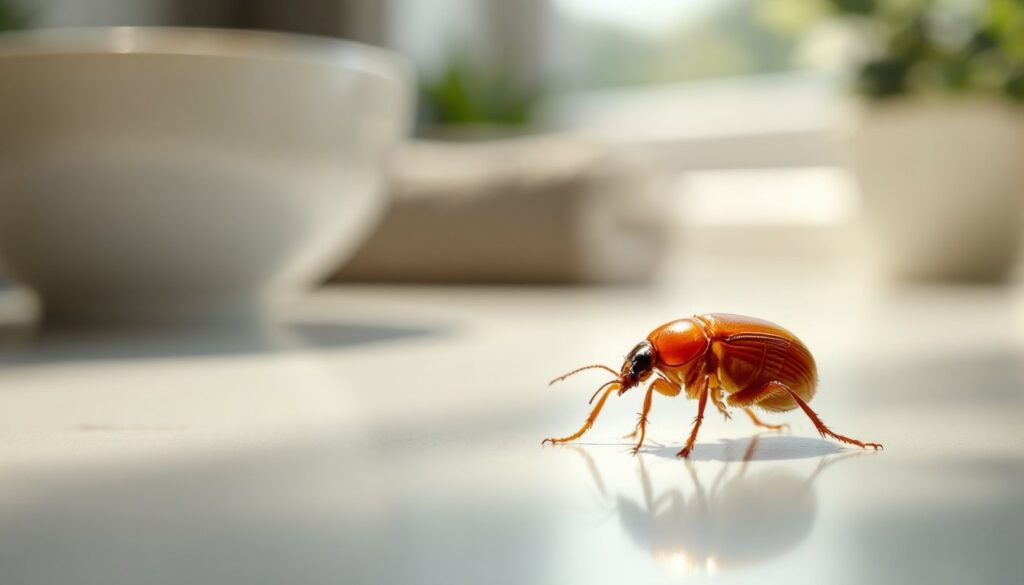
ToggleFinding tiny beetles crawling across your countertop or windowsill isn’t just unsettling, it’s a sign that something in your home is attracting them. Unlike occasional outdoor bugs that wander in, beetles indoors usually mean there’s a food source, moisture problem, or entry point they’ve exploited. The good news? Most household beetles are nuisances rather than structural threats, and with the right identification and action plan, you can eliminate them without calling an exterminator. This guide walks through the most common tiny beetles found in homes, how to figure out which species you’re dealing with, and practical removal and prevention methods that actually work.
Key Takeaways
- Tiny beetles in your house signal food sources, moisture problems, or entry points—carpet beetles prefer natural fibers while pantry beetles target dry goods stored in thin packaging.
- Accurate identification matters: carpet beetles have mottled patterns and appear near windows and textiles, while drugstore and cigarette beetles are solid reddish-brown and found in kitchens and pantries.
- Remove pantry beetles by inspecting all food packages, discarding infested items, wiping shelves with hot water and vinegar, and transferring dry goods into airtight glass containers.
- Eliminate carpet beetles through twice-weekly vacuuming with immediate disposal, hot-water washing of fabrics, steam cleaning carpets, and freezing valuable items at 0°F for four days.
- Prevent future infestations by sealing entry points with weatherstripping and caulk, storing all pantry items in sealed containers, vacuuming regularly, and maintaining indoor humidity below 50%.
Common Types of Tiny Beetles Found in Homes
Most beetles that invade homes measure between 1/16 and 1/4 inch long, small enough to squeeze through window screens or hitch a ride on groceries. Identifying the species matters because each has different food preferences and nesting habits.
Carpet Beetles
Carpet beetles are among the most common household invaders, and they’re often mistaken for bed bugs due to their size. Adults measure about 1/8 inch and have rounded, oval bodies with mottled patterns in black, white, brown, or orange scales. The larvae, which cause the actual damage, are fuzzy, carrot-shaped, and about 1/4 inch long with bristly hairs.
They feed on natural fibers: wool rugs, silk curtains, feathers in down pillows, pet hair trapped in baseboards, and even dead insects in light fixtures. You’ll often spot them near windows in spring when adults emerge looking to mate. The larvae hide in dark, undisturbed areas like closet corners, under furniture, or inside air ducts.
Damage appears as irregular holes in fabrics or threadbare patches in carpets. If you’re seeing tiny beetles along windowsills between March and June, and you’ve noticed mystery holes in a wool sweater, carpet beetles are the likely culprit. Protecting clothing and textiles from these pests requires regular vacuuming and inspection.
Drugstore and Cigarette Beetles
Drugstore beetles and cigarette beetles are nearly identical in appearance, both measure about 1/10 to 1/8 inch, have cylindrical reddish-brown bodies, and look like tiny pills with legs. The main visual difference: drugstore beetles have grooved wing covers, while cigarette beetles have smooth ones. In practice, you’ll need a magnifying glass to tell them apart.
Both species infest dried goods, but their tastes differ slightly. Cigarette beetles prefer tobacco products (hence the name), spices, dried flowers, and pet food. Drugstore beetles are less picky, they’ll eat bread, flour, cereal, dry pasta, birdseed, books, leather, and even prescription medications if the coating contains starch.
You’ll find them in pantries, kitchen cabinets, and wherever you store bulk dry goods. Adults are strong fliers and are attracted to lights, so you might spot them near lamps or windows at night. If you see tiny beetles in your oatmeal container or notice small holes in sealed bags of rice, you’re dealing with a pantry beetle. Infestations often start with a contaminated product brought home from the store.
Why Tiny Beetles Enter Your Home
Beetles don’t invade at random, they’re following environmental cues that signal food, warmth, or breeding opportunities.
The most common entry points are gaps around doors and windows, torn screens, utility line penetrations (where cable or plumbing enters), foundation cracks, and even potted plants brought indoors. Carpet beetles often fly in through open windows during spring mating season. Pantry beetles usually hitch a ride in store-bought goods, flour, cereal, pet food, or even decorative dried flowers can harbor eggs or larvae.
Once inside, beetles stick around because conditions are favorable. Pantry beetles thrive in homes with bulk dry goods stored in thin plastic bags or cardboard boxes that are easy to chew through. Carpet beetles are drawn to homes with pets (shed fur and dander), wool or silk textiles, and infrequent vacuuming. Both types prefer undisturbed spaces: the back of a cabinet, under a sofa, inside a seldom-used closet.
Moisture also plays a role. Some beetle species, like the furniture beetle (common in older homes), require higher humidity levels to survive. Basements, crawl spaces, and bathrooms with poor ventilation can create ideal conditions. Temperature matters, too, heated homes in winter provide a refuge from outdoor cold, which is why beetle activity often spikes when the thermostat goes up.
How to Identify the Beetle Species in Your House
Accurate identification saves time and money. You can’t fix the problem if you’re treating for the wrong beetle.
Start with size and color. Use a ruler or a coin for scale, most household beetles are smaller than a pencil eraser. Carpet beetles show mottled patterns with multiple colors (black, brown, white, orange). Pantry beetles are solid reddish-brown and cylindrical. If the beetle is shiny black and about 1/8 inch, it might be a black carpet beetle (a common variant).
Next, check the location where you found them. Beetles near windows, on curtains, or along baseboards point to carpet beetles. Beetles in the pantry, inside food containers, or flying near kitchen lights suggest drugstore or cigarette beetles. If they’re in the bathroom or near damp wood, you might be dealing with a furniture beetle or powder post beetle, both of which are structural concerns that may require a professional evaluation.
Look for damage clues. Irregular holes in wool, silk, or feathers? Carpet beetle larvae. Small holes in sealed food packaging or a fine, powdery residue inside flour bags? Pantry beetles. Exit holes in wood furniture or frass (fine sawdust) under wooden items? That’s a wood-boring beetle, which is a different problem entirely and often needs licensed pest control.
If you’re still unsure, capture a specimen in a small jar or seal it in a plastic bag, then compare it to online extension service photos (many state universities publish detailed insect ID guides). When in doubt, your local cooperative extension office can identify insects for free or a nominal fee. Following seasonal pest control advice can also help you anticipate and prevent infestations.
DIY Methods to Get Rid of Tiny Beetles
Most tiny beetle infestations can be handled without pesticides if you act quickly and address the root cause.
For pantry beetles, start by removing all food from cabinets. Inspect every package, look for holes, webbing, or live insects. Discard anything infested in a sealed trash bag outside your home. Even unopened boxes can harbor beetles if they were contaminated at the warehouse. Wipe down shelves with a mix of hot water and white vinegar, then vacuum cracks and corners where eggs might hide. Transfer remaining dry goods into airtight glass or heavy plastic containers with tight-fitting lids. Beetles can’t chew through glass, and you’ll spot any future problems immediately.
Freeze questionable items for four days at 0°F to kill eggs and larvae. This works for flour, pasta, spices, and pet food. Once thawed, store them in sealed containers.
For carpet beetles, vacuum thoroughly and frequently, at least twice a week for two months. Use the crevice tool along baseboards, under furniture, inside closets, and around air vents. Empty the vacuum bag or canister into an outdoor trash bin immediately, as larvae can crawl back out. Wash all washable fabrics in hot water (at least 120°F) or dry-clean items like wool coats and silk drapes. For items you can’t wash, seal them in plastic bags and leave them in a hot car (above 120°F) for several hours in summer, or freeze them for a week.
Steam cleaning carpets and upholstery kills larvae on contact and removes the hair, skin flakes, and food crumbs they feed on. Pay extra attention to areas under beds, behind dressers, and along the edges of wall-to-wall carpeting.
If DIY methods don’t resolve the issue within a month, or if you suspect wood-boring beetles, contact a licensed pest control professional. Wood-boring species can compromise structural integrity, and treatment often involves fumigation or localized chemical application that requires proper safety equipment and knowledge.
Preventing Future Beetle Infestations
Elimination is only half the job, prevention keeps beetles from returning.
Seal entry points. Walk the perimeter of your home and inspect windows, doors, and foundation. Replace torn screens with 20-mesh or finer screening, anything larger allows tiny beetles through. Use weatherstripping on doors and apply caulk or expanding foam to gaps around utility penetrations. Check attic vents and crawl space openings for damage.
Control food sources. Store all pantry items in sealed containers, not the bags or boxes they came in. Don’t buy more bulk goods than you’ll use in a few months, old flour and grains are more likely to develop infestations. Rotate stock so older items get used first. For homes with extensive cleaning routines, regular pantry audits should be part of the schedule.
Reduce carpet beetle attractants. Vacuum regularly, especially in low-traffic areas. Launder or dry-clean wool, silk, and fur items before storing them for the season. Use airtight plastic bins with tight lids instead of cardboard boxes. Cedar blocks and lavender sachets have mild repellent properties, but they’re not a substitute for cleanliness, beetles will ignore them if there’s a good food source nearby.
Manage moisture and humidity. Fix leaky pipes, improve bathroom and basement ventilation, and use a dehumidifier in damp areas. Beetles need moisture to thrive, and reducing indoor humidity below 50% makes your home less hospitable.
Inspect incoming items. Check grocery bags, pet food, potted plants, and second-hand furniture before bringing them inside. Even new items from big-box stores can harbor beetles if the warehouse had an infestation.
If you spot a few beetles even though these precautions, don’t panic, a couple of adults don’t mean you have a full-blown infestation. Stay vigilant, keep vacuuming, and monitor food storage areas. Early detection is the easiest time to intervene.