Table of Contents
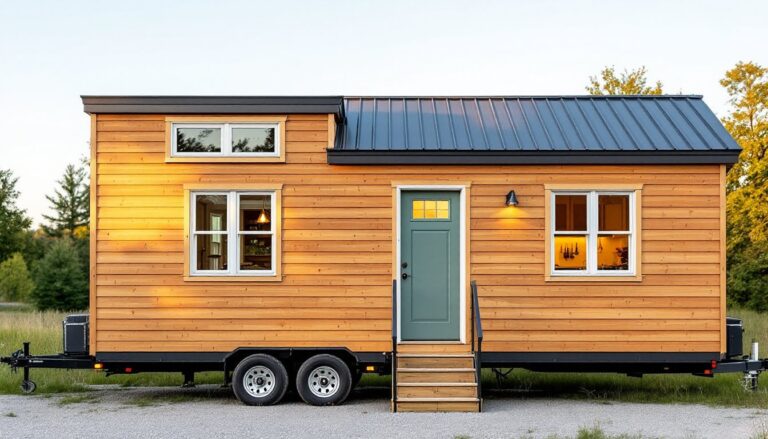
ToggleBuilding or buying a tiny house doesn’t mean sacrificing a proper bedroom for guests, kids, or a home office. Two-bedroom tiny house floor plans prove you can fit real living space into 400–800 square feet without resorting to bunk beds or sacrificing privacy. The key is disciplined design: every square foot earns its keep, walls do double duty, and circulation paths stay tight but functional. Whether you’re planning a backyard ADU, a retirement downsize, or a mortgage-free build, understanding how to lay out two distinct sleeping areas in a compact footprint will shape every other decision, from joist sizing to door swings.
Key Takeaways
- Two-bedroom tiny house floor plans fit 400–800 square feet of livable space by using disciplined design where every wall, storage system, and circulation path serves multiple purposes.
- A second bedroom in tiny houses increases marketability, satisfies zoning requirements for ADUs, and enables rental income or flexible use as office, nursery, or guest space.
- Vertical space utilization—including lofts, raised platforms, and overhead storage—is essential when designing 2 bedroom tiny house layouts that feel open rather than cramped.
- Single-story and loft-based configurations each suit different needs: single-story maximizes accessibility and privacy, while loft designs free valuable main-floor living space at the cost of headroom and mobility.
- Multi-functional furniture with hidden storage, pocket doors, and compact staircases with integrated drawers maximize the square footage and reduce the need for separate furniture pieces.
- Essential features like natural light through properly placed windows, soundproofing between bedrooms, and tight building envelopes (3 ACH50 or better) make tiny homes truly livable for long-term occupancy.
Why 2 Bedroom Tiny Houses Are Perfect for Modern Living
A second bedroom transforms a tiny house from a solo experiment into a genuinely livable home for couples, small families, or anyone who needs flexibility. That extra room can serve as a nursery, office, craft studio, or guest space, giving occupants the breathing room that single-bedroom layouts can’t deliver.
Tiny houses with two bedrooms also satisfy zoning and permitting requirements in many jurisdictions. Accessory dwelling units (ADUs) often need at least two separate sleeping areas to qualify for occupancy permits or rental income. Check your local IRC (International Residential Code) amendments, as minimum bedroom dimensions, typically 70 square feet with a 7-foot width, vary by municipality.
Financially, the two-bedroom configuration opens rental and resale opportunities. A studio tiny house appeals to a narrow buyer pool: a two-bedroom layout attracts couples working from home, retirees hosting grandkids, or property owners seeking rental income from a backyard cottage. If you’re financing the build, lenders and appraisers view two-bedroom plans as more marketable collateral.
From a construction standpoint, adding a second bedroom doesn’t double your build cost. You’re primarily dividing existing square footage with interior walls, 2×4 studs on 16-inch centers, drywall, and a door. The incremental cost is insulation, electrical rough-in for another room, and potentially an egress window if codes require it for sleeping spaces.
Essential Design Principles for 2 Bedroom Tiny House Layouts
Successful two-bedroom tiny house plans hinge on a few non-negotiable principles: vertical thinking, open sightlines, and circulation efficiency. Start by mapping your major systems, plumbing stack, HVAC trunk, and electrical panel, then arrange bedrooms and common areas around those fixed points. Moving a drain line or HVAC chase after framing is expensive and disruptive.
Vertical space is your secret weapon. Standard wall height in tiny houses ranges from 8 to 13.5 feet (the max for road-legal trailers). Use every inch: loft sleeping areas, raised storage platforms, or ceiling-mounted racks for seasonal gear. Just remember that any loft bedroom used regularly should maintain at least 3 feet of headroom while seated in bed, 4 feet is more comfortable.
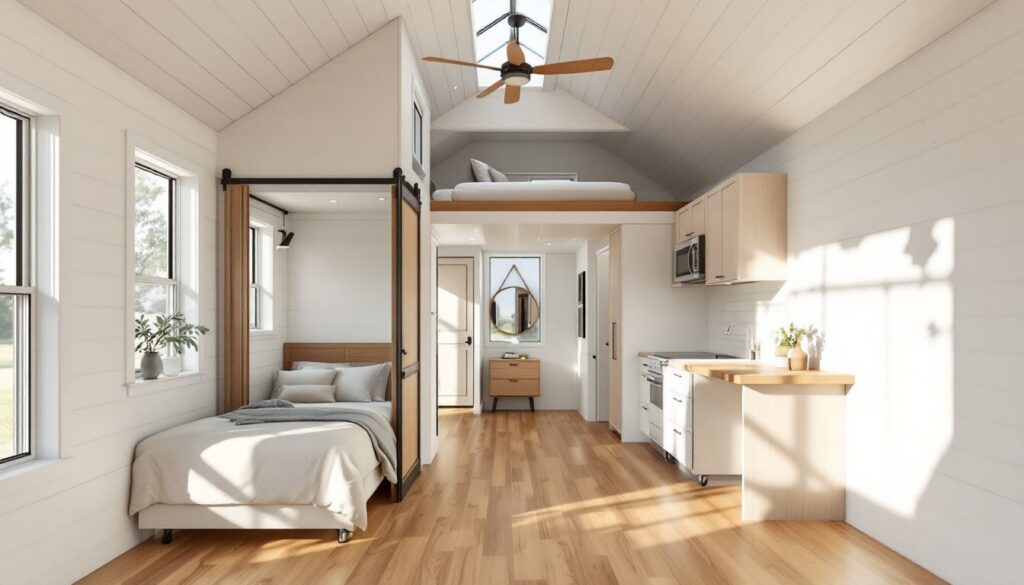
Open sightlines prevent the “shoebox” feeling. Avoid long, narrow hallways: instead, position bedroom doors off a central living zone or short landing. Pocket doors or barn-style sliders save the swing radius of a standard hinged door (about 9 square feet per door). In tight quarters, that’s the difference between fitting a dresser or not.
Circulation paths should be 30 to 36 inches wide minimum, enough for someone to pass with a laundry basket or toolbox. In practice, this means bedrooms in opposite corners or a linear layout with living space as the hub. Sketch your furniture before finalizing walls: a queen bed (60×80 inches) needs clearance on at least two sides for making it and accessing under-bed storage.
Maximizing Space with Multi-Functional Rooms
Every room in a two-bedroom tiny house should serve double or triple duty. The second bedroom might function as an office by day and guest room by night, install a Murphy bed or sleeper sofa to reclaim floor space when it’s not in use. Built-in desks that fold down or slide into wall cavities keep the room flexible.
Kitchen islands on casters become dining tables, prep counters, or bar carts depending on the hour. Look for furniture with hidden storage: ottomans with lift-tops, staircases with drawer-style treads, or platform beds with roll-out bins underneath. Each piece you bring in should justify itself by performing at least two roles.
Bathrooms are prime candidates for multitasking. A stackable washer-dryer combo fits in a closet-sized alcove, freeing the second bedroom from laundry duties. Consider a wet bath, where the entire bathroom is the shower, with a floor drain and waterproof walls, to eliminate the footprint of a separate shower pan. It’s common in RVs and tiny builds, and it can shave 10–15 square feet off your bathroom.
Popular 2 Bedroom Tiny House Floor Plan Styles
Floor plan styles fall into two broad camps: single-story and loft-based. Your choice depends on mobility needs, ceiling height, and whether you’re building on a trailer or permanent foundation.
Single-Story Open Concept Designs
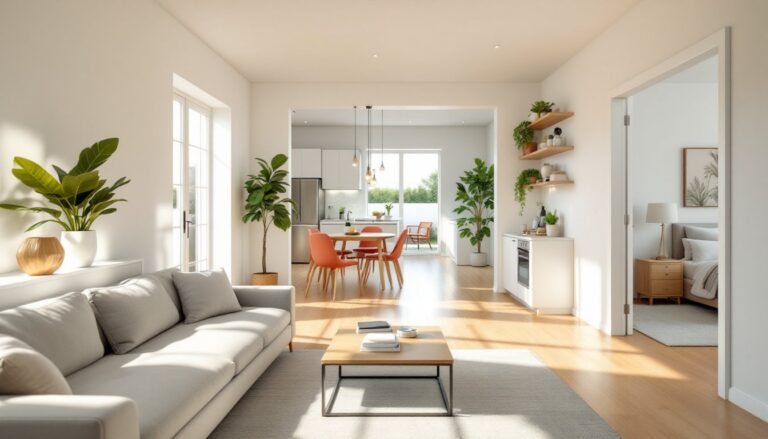
Single-story plans put both bedrooms on the main level, making them ADA-accessible and family-friendly. These layouts typically require at least 500–600 square feet to fit two bedrooms, a bathroom, kitchen, and living area without feeling like a submarine.
A common configuration places bedrooms at opposite ends of the home, with the kitchen and living room forming a central great room. This arrangement maximizes privacy and shortens plumbing runs if you position the bathroom adjacent to the kitchen. Both rooms share a single wet wall, reducing the number of drain vents punching through your roof.
Open-concept single-story designs rely on high ceilings, 10 to 12 feet, and clerestory windows or skylights to avoid cave-like darkness in interior rooms. Paint walls and ceilings in light, neutral tones to bounce natural light deeper into the plan. Avoid heavy curtains or solid room dividers: use frosted glass pocket doors or sliding panels to section off bedrooms when needed.
One downside: single-story layouts sacrifice loft storage. Compensate with overhead cabinets above doorways, under-floor storage (if you’re on a raised foundation or trailer), or an attached shed for tools and outdoor gear. If you’re building on a permanent foundation, a small crawl space or basement can handle mechanicals and seasonal items.
Loft-Style Two Bedroom Configurations
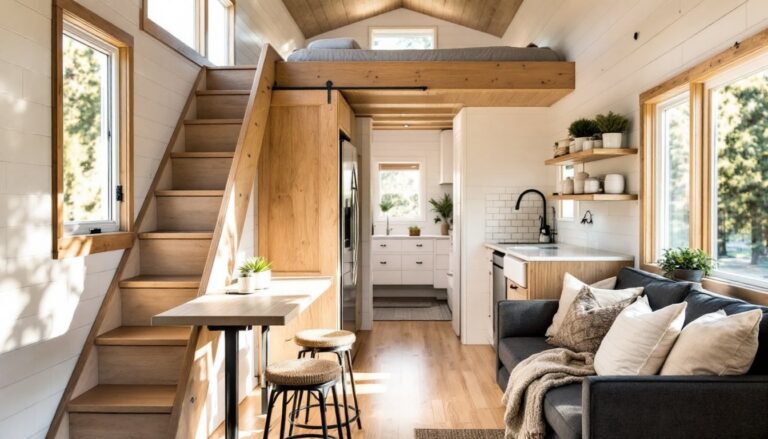
Loft plans tuck one or both bedrooms into elevated sleeping platforms, freeing main-floor space for living, dining, and working. A typical loft bedroom sits above the bathroom or kitchen, areas with lower ceiling requirements, and is accessed by a ladder, ships ladder, or compact staircase.
For a true two-bedroom loft layout, you’ll need a trailer or foundation at least 24 to 28 feet long and 10 to 12 feet wide. Position lofts at opposite ends to give each occupant privacy and their own small window for egress (required by code in many areas). Most building codes mandate an emergency escape opening in sleeping rooms: minimum 5.7 square feet of openable area, with no dimension less than 20 inches, and a sill height no more than 44 inches above the floor.
Staircases eat up 12–16 square feet but are safer and more comfortable than ladders, especially for kids or older adults. Many tiny house builders incorporate storage drawers into stair risers, a practical upgrade that costs an extra $200–$400 in materials but eliminates the need for a separate dresser.
Loft bedrooms come with trade-offs: limited headroom (often just 3–4 feet), heat stratification (warm air rises, so lofts can be stuffy in summer), and reduced accessibility. Install a ceiling fan or ridge vent above each loft to improve airflow. If you’re planning to age in place or accommodate guests with mobility challenges, single-story layouts are the better long-term choice.
Hybrid plans combine one ground-floor bedroom with one loft. This setup suits families with young kids (they take the loft) or couples who want main-floor sleeping but need a guest space overhead. The ground-floor bedroom typically ranges from 60 to 80 square feet, just enough for a full or queen bed and a narrow dresser. Detailed floor plan ideas and structural framing considerations can help optimize load distribution when building loft platforms over living areas.
Key Features to Include in Your 2 Bedroom Tiny House Plan
No matter which layout style you choose, certain features separate a cramped floor plan from a comfortable one.
Storage infrastructure should be baked into the framing phase, not added as an afterthought. Plan for built-in shelving between studs (the cavity between 2×4 or 2×6 framing is 3.5 or 5.5 inches deep), under-stair drawers, and overhead cabinets in every room. Aim for at least 200–300 cubic feet of total storage in a two-bedroom tiny house, that includes closets, cabinets, and under-bed platforms.
Natural light is critical in small spaces. Budget for at least one window per bedroom (egress-sized if required), plus additional windows or skylights in common areas. South-facing glass maximizes passive solar gain in winter: overhangs or awnings prevent overheating in summer. Low-E glazing improves energy efficiency without sacrificing light transmission.
Soundproofing between bedrooms prevents noise bleed. Use R-13 or R-15 insulation in interior walls, staggered-stud framing, or resilient channels with two layers of drywall for better sound isolation. If one bedroom doubles as an office with video calls, this investment pays off immediately.
Flexible utility zones keep the plan adaptable. A small alcove near the bathroom can house a stackable washer-dryer now and convert to a pantry or linen closet later. Design electrical circuits with extra capacity, 20-amp circuits in the kitchen and any workshop areas, so you can add appliances or tools without rewiring.
Outdoor access extends your functional living area. French doors, a fold-down deck, or a covered porch effectively add square footage when weather permits. Many tiny house dwellers report that a 6×8-foot deck makes a 400-square-foot interior feel twice as large.
Finally, consider heating and cooling loads. Two-bedroom tiny houses often need only a mini-split heat pump (12,000–18,000 BTU) or a small wood stove plus a portable AC unit. Insulate to at least R-13 in walls and R-30 in the roof to minimize energy use. Seal all gaps at the rim joist, window flanges, and penetrations with spray foam or backer rod and caulk. A blower door test can verify you’re hitting 3 ACH50 or better, tight enough to control heating costs without creating moisture problems.
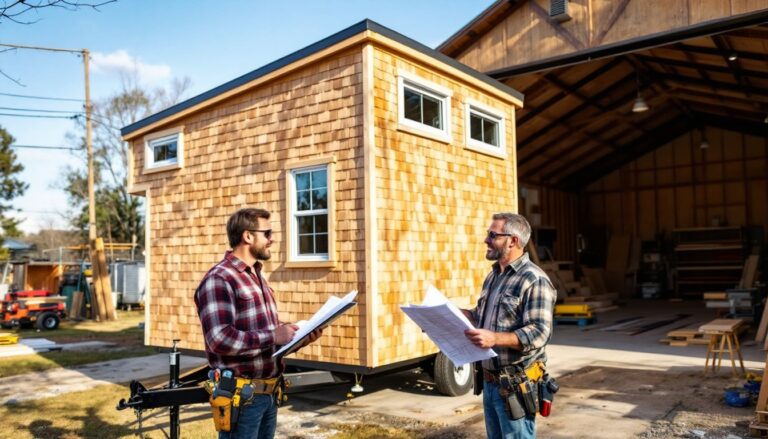
If you’re tackling portions of the build yourself, start with DIY project guides that walk through framing, wiring, and finish carpentry at a granular level. Even if you hire pros for structural and mechanical work, understanding the process helps you make smarter design decisions and catch errors before they become expensive fixes.