Table of Contents
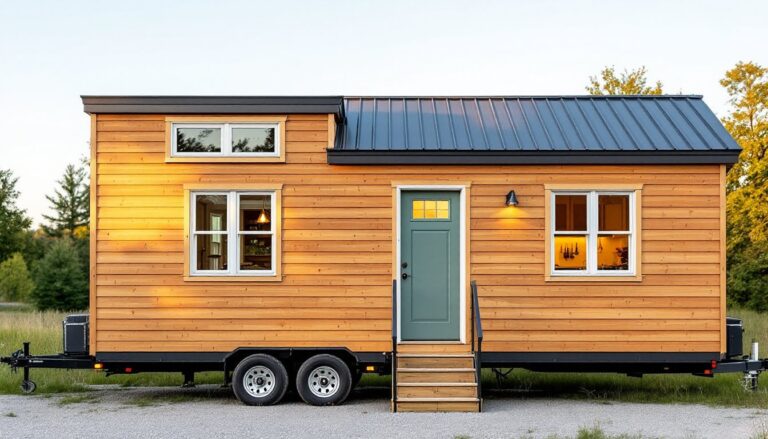
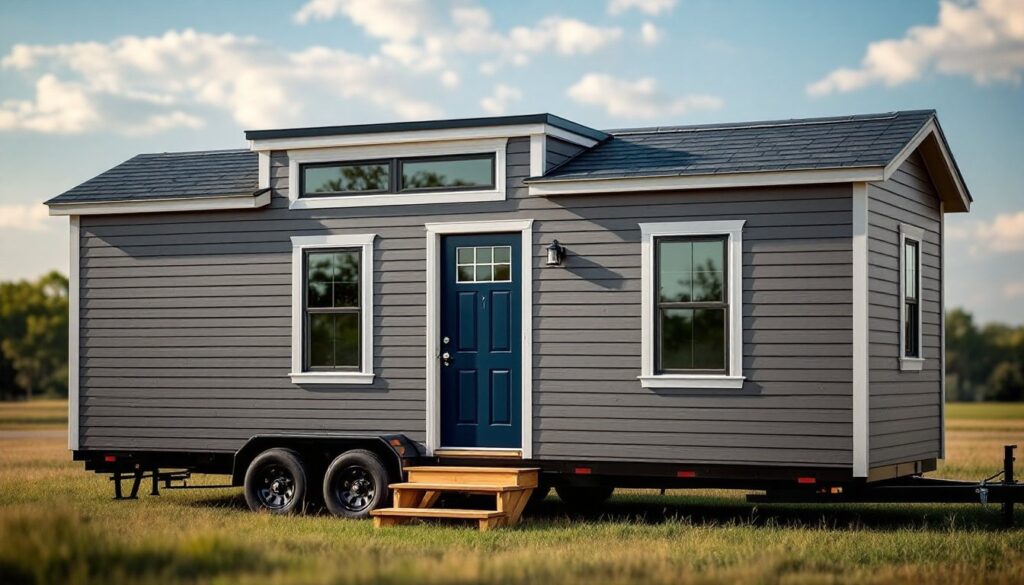
ToggleA 12×24 footprint delivers 288 square feet of livable space, enough for a full kitchen, bathroom, sleeping area, and living zone without the sprawl of a traditional home. It’s the sweet spot for many tiny house builders: large enough to avoid feeling claustrophobic, small enough to tow on a trailer or build on a small lot without triggering complex zoning battles. Whether someone’s planning a backyard ADU, a vacation cabin, or a full-time dwelling, a 12×24 tiny house plan offers serious flexibility. This guide walks through layout strategies, building considerations, and the real costs involved in turning 288 square feet into a functional home.
Key Takeaways
- A 12×24 tiny house plan provides 288 square feet of livable space that’s large enough to fit a full kitchen, bathroom, sleeping area, and living zone without feeling cramped.
- The 12-foot width stays within legal towing limits without a wide-load permit, while the 24-foot length fits standard dual-axle trailers, making trailer-based tiny house plans highly practical.
- Efficient layout hinges on anchoring utilities along one wall, using vertical storage and multipurpose furniture, and incorporating pocket doors and built-ins to maximize every square foot.
- Loft designs stack sleeping space to capitalize on ceiling height, while single-level configurations offer better accessibility and make the space feel more open.
- Total material costs for a DIY 12×24 tiny house build range from $14,000 to $28,000, but factor in 10-15% for unforeseen expenses and consider hiring licensed professionals for electrical, plumbing, and roofing work.
- Local permitting rules vary significantly; many jurisdictions recognize 12×24 tiny house plans as a safe square footage for ADUs and similar structures without triggering zoning complications.
Why Choose a 12×24 Tiny House Floor Plan?
The 12×24 dimension isn’t arbitrary. It’s a practical choice rooted in both construction logistics and local codes. Many jurisdictions cap accessory dwelling units (ADUs) or non-permitted structures at specific square footage thresholds, often 300 or 400 square feet, making a 288 sq ft footprint a safe bet in permitting gray areas.
From a towing perspective, a 12-foot width keeps the structure within legal road limits in most U.S. states without requiring a wide-load permit (standard vehicle width caps at 8.5 feet, but trailers can extend to 12 feet). The 24-foot length fits comfortably on a standard dual-axle trailer, which typically handles loads up to 10,000–14,000 pounds depending on axle rating.
Material efficiency matters, too. Standard framing lumber, 2x4s and 2x6s, comes in 8, 10, 12, and 16-foot lengths. A 12-foot width allows builders to use full-length studs or joists without excessive cuts, reducing waste. Sheet goods like 4×8-foot plywood and OSB also lay out cleanly on a 12×24 frame, minimizing scrap.
For those building on a foundation rather than a trailer, the 12×24 footprint requires a modest concrete slab or pier-and-beam setup. A 4-inch slab-on-grade foundation at this size runs roughly 8–10 cubic yards of concrete, manageable for a small crew or even a committed DIYer with a rented mixer and wheelbarrows.
The layout possibilities in 288 square feet rival those of larger tiny homes. There’s enough linear wall space to separate functions, bedroom, kitchen, bath, living, without resorting to constant furniture rearrangement. Compare that to a 10×20 or 8×20 plan, where every inch demands compromise.
Essential Design Elements for 12×24 Tiny House Plans
Space-Saving Layout Ideas
Efficient design in a 12×24 tiny house hinges on three principles: vertical storage, multipurpose furniture, and strategic zoning. Start by anchoring the bathroom and kitchen along one long wall. Running plumbing in a single chase, 2×6 wall framing accommodates supply and drain lines, cuts costs and simplifies rough-in work.
A galley kitchen fits naturally in a 6-to-8-foot section. Standard base cabinets (24 inches deep) leave a 36-inch aisle when placed opposite a 12-inch-deep storage unit or seating bench. Use upper cabinets that extend to the ceiling (8 or 10 feet, depending on framing) to capture dead space. Appliances matter: a 24-inch range, 18-inch dishwasher, and apartment-size refrigerator (10–12 cubic feet) keep the galley functional without consuming the floor plan.
Bathrooms in tiny houses typically occupy 25–35 square feet. A 32×32-inch shower pan, wall-hung toilet, and pedestal or floating vanity leave enough clearance to meet IRC code minimums (21 inches in front of the toilet, 30×30-inch shower access). Pocket doors save 8–10 square feet compared to swing doors, critical in tight quarters.
Living and dining zones benefit from built-ins. A fold-down table mounted to the wall supports meals and workspace, then stows flush when not in use. Bench seating with lift-top storage does double duty. Vertical niches between studs, 14.5 inches wide for standard 16-inch on-center framing, hold books, spices, or charging stations without stealing floor area.
Many small space living ideas focus on visual tricks, but in a tiny house, the structure itself must work harder. Plan electrical outlets every 6 feet along walls, per NEC 210.52, and add USB ports near seating and sleeping areas. Lighting layers, recessed LED cans, under-cabinet strips, and task pendants, prevent the space from feeling cramped.
Loft vs. Single-Level Configurations
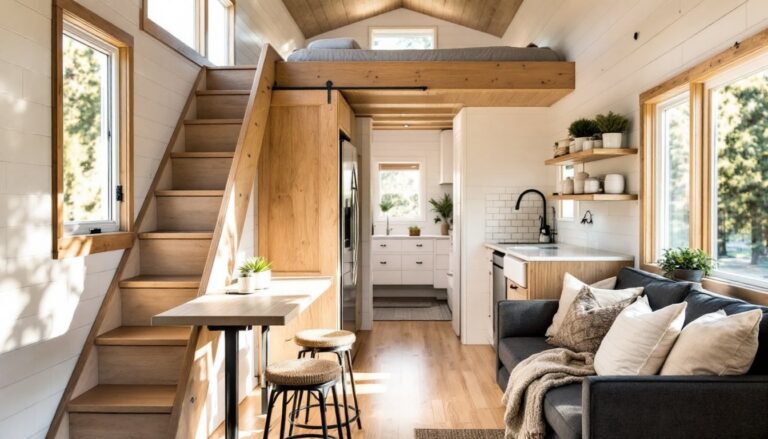
Loft designs maximize usable square footage by stacking sleeping space above the main floor. A standard loft sits 3.5 to 4 feet above the floor, leaving 6.5 to 7 feet of headroom below, just enough for most adults to stand comfortably under IRC minimum ceiling height of 6 feet 8 inches in habitable rooms (some jurisdictions allow 6 feet 4 inches in bathrooms and kitchens).
Framing a loft requires 2×6 or 2×8 joists spaced 16 inches on center to support live loads (typically 30–40 pounds per square foot for sleeping areas). Span tables dictate joist size: 2×6 Southern pine spans roughly 9 feet, while 2×8 handles 12 feet, making the latter a safer choice for a full-width loft in a 12-foot-wide house.
Access options include a ship’s ladder (steep, 60–70 degrees, saves space), alternating tread stairs (code-compliant in some areas for lofts, requires 2–3 feet of floor), or a standard staircase (30–36 inches wide, eats up 8–10 square feet but offers the safest climb). Storage stairs, each tread doubles as a drawer, are popular but add weight and cost.
Single-level plans trade vertical space for accessibility. They suit aging-in-place scenarios, individuals with mobility concerns, or anyone who dislikes climbing a ladder at night. With no loft, the ceiling can vault to 10 or 12 feet, opening sightlines and making 288 square feet feel substantially larger. A Murphy bed or convertible sofa keeps the bedroom footprint flexible.
Cooling and heating considerations shift between configurations. Lofts trap heat, great in winter, miserable in summer without a mini-split HVAC system or strategically placed exhaust fan. Single-level layouts distribute air more evenly, reducing the need for supplemental ventilation.
Building Considerations and Cost Breakdown
Permitting varies wildly by location. Some rural counties allow unpermitted structures under 200 square feet: others require full IRC compliance regardless of size. Contact the local building department early. If the tiny house sits on a trailer, it may classify as an RV, sidestepping residential codes but triggering DMV registration and zoning restrictions on where it can park.
Foundation choices depend on mobility. A permanent 12×24 build on a concrete slab (4–6 inches thick, reinforced with #4 rebar or 6×6 WWM) costs roughly $1,200–$2,000 in materials plus labor. Pier-and-beam foundations using sonotube-formed concrete piers and pressure-treated 4×6 beams run slightly less but require careful leveling and moisture barriers.
Trailer-based builds use a flatbed trailer rated for the total load. A 12×24 tiny house, framing, siding, roofing, appliances, finishes, typically weighs 8,000–12,000 pounds. A 14,000-pound GVWR dual-axle trailer provides a safety margin. Trailers purpose-built for tiny houses include welded tie-down points and often cost $4,000–$6,500.
Framing a 12×24 shell involves wall studs (2×4 or 2×6, depending on insulation goals), roof trusses or rafters (verify snow load and wind requirements with local code), and sheathing (7/16-inch OSB or ½-inch plywood). Expect 15–20 sheets of sheathing for walls and roof. House wrap (Tyvek or equivalent) and flashing tape seal the envelope before siding.
Exterior cladding ranges from affordable to premium: vinyl siding ($1–$3 per sq ft installed), LP SmartSide ($2–$4), board-and-batten ($3–$5), or metal panels ($3–$6). For a 12×24 footprint with 8-foot walls, figure roughly 600 square feet of wall area (accounting for openings). Add another 288 square feet for the roof if using a low-slope or shed design.
Insulation standards matter more in tiny houses, less thermal mass means rapid heat loss or gain. Spray foam achieves high R-value in thin profiles (closed-cell foam hits R-6 to R-7 per inch), but mineral wool batts or rigid foam panels cost less and suit DIY installs. Target at least R-13 in walls and R-30 in the roof for moderate climates: cold zones demand higher.
Windows and doors create visual openness but cut into insulation. A pair of double-hung or casement windows (24×36 inches, vinyl-framed, double-pane) run $150–$300 each. An exterior steel door with weatherstripping costs $200–$500. Install flashing meticulously, water intrusion in a tiny house has nowhere to hide.
DIY vs. Professional Builds
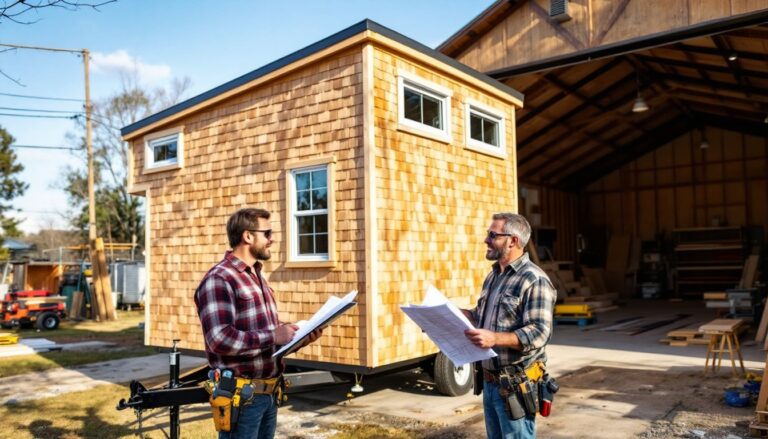
A confident DIYer with framing and electrical experience can tackle a 12×24 tiny house, but expect 300–600 hours of labor spread over several months. Framing the shell takes 40–80 hours. Electrical rough-in (running 12/2 and 14/2 Romex, installing boxes, wiring a 100-amp or 200-amp panel) adds another 20–40 hours. Plumbing, PEX supply lines, ABS or PVC drains, and fixture installation, runs 15–30 hours. Interior finish work (drywall or paneling, trim, flooring, painting) dominates the timeline at 100–200 hours.
Certain tasks demand licensed professionals or at minimum a knowledgeable second set of hands. Electrical final inspections require code compliance: if unfamiliar with NEC Article 210 (branch circuits) or Article 310 (conductor sizing), hire a licensed electrician for rough-in review and final connection. Plumbing vents and drain slopes must meet IPC standards, missteps lead to clogs and sewer gas.
Roofing on a 12×24 structure isn’t inherently dangerous, but working at height alone is. Enlist help. Asphalt shingles (3-tab or architectural) are the most DIY-friendly and cost $90–$150 per square (100 sq ft). Metal roofing, standing seam or corrugated, lasts longer and sheds snow well but requires specialized fasteners and careful panel alignment. Professional roofers charge $3–$7 per square foot installed, often worth it for speed and warranty.
Material costs for a bare-bones 12×24 shell (trailer, framing, sheathing, roofing, siding, windows, door) land around $8,000–$15,000, depending on material grades and regional pricing. Add electrical ($800–$1,500), plumbing ($1,000–$2,000), insulation ($600–$1,200), interior finishes ($2,000–$5,000), and appliances ($1,500–$3,500). Total DIY material cost: $14,000–$28,000. Professional builds often double or triple that, running $40,000–$70,000 turnkey, as advanced construction techniques and finish carpentry drive labor hours.
Budget 10–15% over initial estimates for unforeseen expenses, fasteners, adhesives, rental tools, corrected mistakes. Don’t skimp on safety gear: goggles, gloves, respirator (for spray foam, sanding, or painting), and hearing protection when running saws or nail guns.
Conclusion
A 12×24 tiny house plan balances space efficiency with buildability. The footprint accommodates essential functions without demanding exotic engineering, and material costs stay manageable for both DIYers and those hiring pros. Success hinges on honest assessment of skills, local code research, and a willingness to sweat the details, because in 288 square feet, every detail counts.