Table of Contents
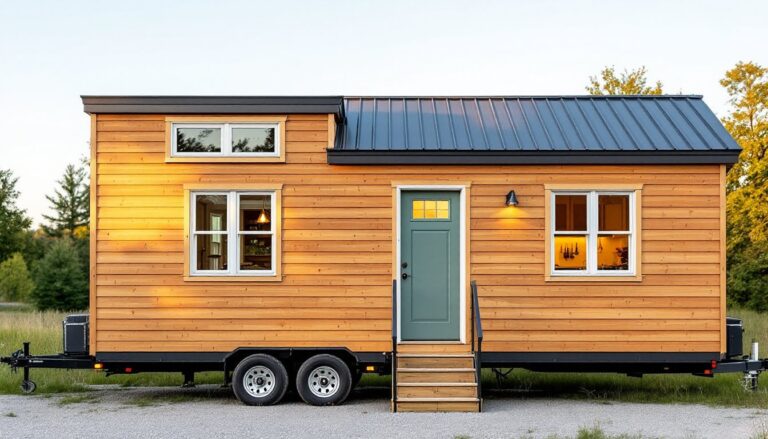
ToggleThe tiny house market has matured. What started as a lifestyle experiment is now a legitimate housing option, with builders offering turnkey models, financing options, and even warranties. A 1 bedroom tiny house typically ranges from 200 to 400 square feet, offering just enough space for comfortable living without the overhead of a traditional home. Whether you’re downsizing, seeking a backyard ADU, or looking for an affordable first home, the challenge isn’t finding a tiny house for sale, it’s knowing what to look for, what it’ll really cost, and where you can legally place it.
Key Takeaways
- A 1 bedroom tiny house typically costs $45,000–$95,000 and ranges from 200–400 square feet, offering 50–80% savings compared to traditional starter homes.
- Structural integrity, insulation (R-13 for walls, R-19+ for ceilings), and compliance with electrical/plumbing codes are non-negotiable when evaluating a 1 bedroom tiny house for purchase.
- Zoning restrictions vary widely by municipality, so contact your local planning department before buying to confirm where you can legally place your tiny home.
- RV loans (5–15 year terms at 6–10% interest) are the most common financing option for trailer-mounted tiny houses, requiring 680+ credit and 10–20% down.
- Layout efficiency—including bedroom clearance, kitchen counter space (12 inches minimum on each side), and smart vertical storage—directly impacts livability in a compact space.
- Check for used tiny houses (typically 60–70% of original price) on specialized marketplaces like Tiny House Listings and Tiny House Marketplace, but always inspect carefully for road wear and water damage.
Why Choose a 1 Bedroom Tiny House?
A 1 bedroom tiny house hits a practical sweet spot. It’s compact enough to tow (if built on a trailer) or fit on a small lot, but large enough to include a full-size bedroom, bathroom, and kitchen. Unlike studio-style tiny homes, the separate bedroom provides privacy and resale appeal.
Key advantages include:
- Lower upfront cost: Expect to pay $40,000–$90,000 for a finished unit, compared to $250,000+ for a traditional starter home in most markets.
- Reduced utility bills: Heating, cooling, and maintaining 200–400 square feet costs a fraction of a standard home. Many models include energy-efficient mini-splits and on-demand water heaters.
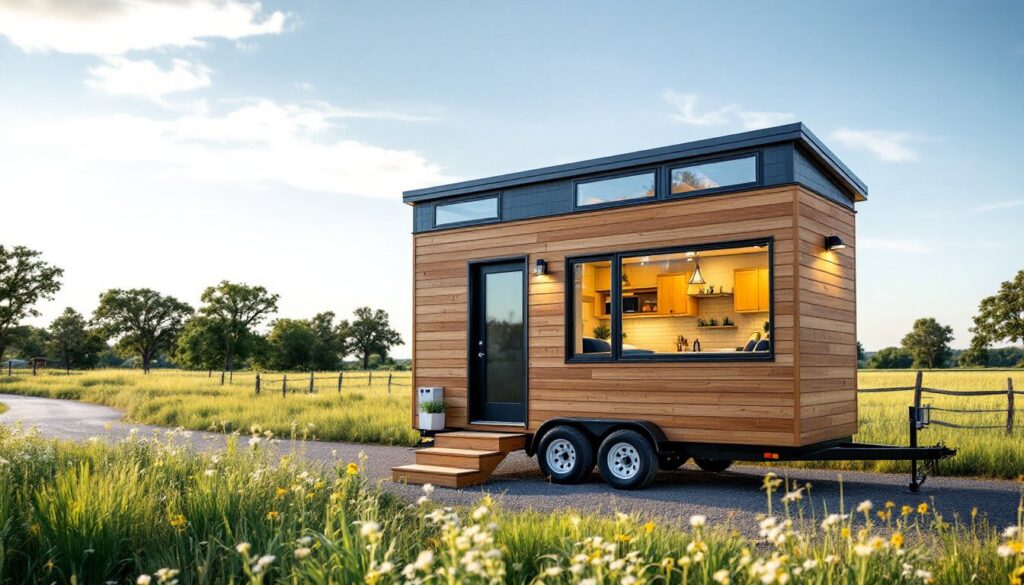
- Flexibility: Trailer-mounted models (typically built on a triple-axle trailer rated for 10,000–14,000 lbs) can be relocated. Foundation models work as ADUs or guest houses.
- Simplified maintenance: Fewer systems, less square footage, and often newer construction mean less time on repairs.
That said, tiny living isn’t for everyone. Storage is limited, hosting guests requires planning, and some municipalities still restrict them. If you need space for hobbies, kids, or frequent visitors, a 1 bedroom tiny house might feel cramped within a year.
What to Look for When Buying a 1 Bedroom Tiny House
Buying a tiny house isn’t like buying a conventional home. You’re often dealing with custom builders, unclear warranties, and limited inspection standards. Here’s what matters.
Structural integrity is non-negotiable. If the house is trailer-mounted, check the frame welds, axle rating, and tongue weight distribution. The trailer should be galvanized steel or powder-coated to resist rust. For foundation models, confirm the floor joists are rated for the span, typically 2×6 or 2×8 joists on 16-inch centers for a 200–400 sq ft footprint.
Inspect the wall and roof framing. Builders often use 2×4 studs on 24-inch centers to save weight, which is acceptable for tiny homes but requires proper sheathing (minimum ⅜-inch plywood or OSB) and a continuous moisture barrier. Check for mold, especially around windows and the bathroom. Poor flashing is a red flag.
Electrical and plumbing should meet code. Most tiny houses use a 50-amp RV connection or a standard 100-amp residential panel. Confirm GFCI outlets in the kitchen and bathroom, proper grounding, and labeled breakers. Plumbing should use PEX or copper, avoid corrugated flex lines, which can kink and leak. If the unit has a tankless water heater, verify it’s sized correctly (0.5 GPM per fixture).
Ask about the insulation R-value. Walls should have at least R-13 (spray foam or batt), and the ceiling R-19 or higher. Inadequate insulation makes tiny homes unbearable in extreme climates and drives up heating costs.
Design Features and Layout Considerations
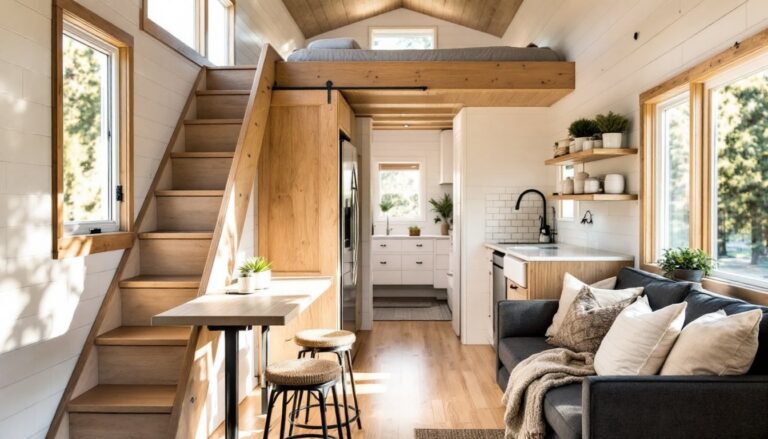
Layout efficiency defines livability. The bedroom should accommodate a queen or full mattress with at least 24 inches of clearance on one side for making the bed. Loft bedrooms are common but require a ladder or steep stairs, impractical for anyone with mobility issues.
Kitchen functionality matters more than aesthetics. Look for a two-burner cooktop, a sink at least 18 inches wide, and a 3–4 cubic foot refrigerator. Some builders scrimp on counter space: you need at least 12 inches on either side of the cooktop and sink for meal prep.
Bathroom layouts vary widely. A wet bath (combined shower and toilet) saves space but feels cramped. A separated shower (minimum 30×30 inches) is worth the extra square footage. Composting toilets are popular in off-grid models but require regular maintenance, know what you’re signing up for.
Storage is where cheap builds fail. Expect built-in cabinetry, under-bed drawers, and overhead compartments. Wasted vertical space is a design flaw. Check cabinet hinges and drawer slides, soft-close hardware lasts longer on the road.
Natural light makes a tiny space feel larger. Modern design trends emphasize large windows and skylights, but verify they’re dual-pane and properly flashed to prevent leaks.
Where to Find 1 Bedroom Tiny Houses for Sale
Start with specialized tiny house builders. Companies like Tumbleweed, Tiny Heirloom, and New Frontier offer customizable 1 bedroom models with warranties (typically 1 year on construction, longer on appliances). Expect 3–6 month lead times for new builds.
Online marketplaces like Tiny House Listings, Tiny House Marketplace, and even Facebook Marketplace list both new and used units. Used tiny houses (3–5 years old) often sell for 60–70% of their original price, but inspect them carefully, road wear, water damage, and DIY modifications are common.
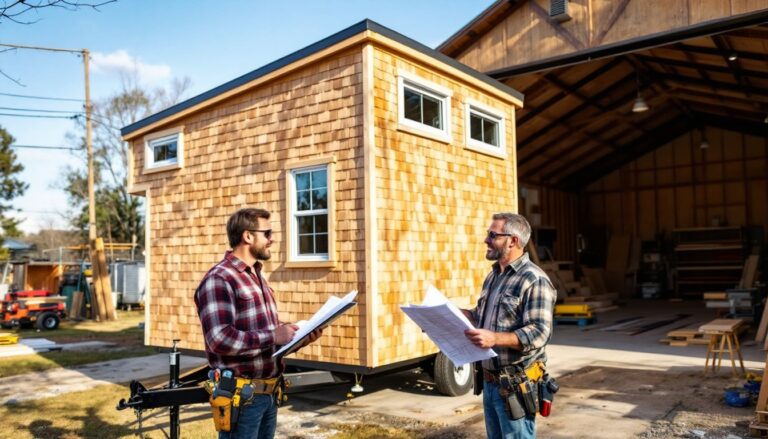
Check local builders in your area. Regional builders understand local codes and climate requirements better than national companies. They may also offer delivery and setup, which can save $3,000–$8,000 in transport costs.
RV dealers occasionally stock park model tiny homes, which blur the line between RVs and tiny houses. These are usually certified under ANSI A119.5 and may qualify for RV financing.
Avoid Craigslist unless you’re experienced with construction. Scams and poorly built DIY projects are rampant. Always inspect in person and bring someone with framing or RV knowledge.
Pricing Guide: What Does a 1 Bedroom Tiny House Cost?
As of 2026, turnkey 1 bedroom tiny houses range from $45,000 to $95,000, depending on size, finishes, and whether they’re on wheels or a foundation. Shell-only models (framed, roofed, and sided but no interior finish) start around $25,000–$35,000.
Cost breakdown for a mid-range 280 sq ft model:
- Trailer and frame: $6,000–$10,000 (for THOW models)
- Framing and exterior: $12,000–$18,000 (siding, roofing, windows, doors)
- Interior finish: $15,000–$25,000 (drywall, flooring, cabinetry, paint)
- Plumbing and electrical: $5,000–$8,000
- Appliances and fixtures: $4,000–$7,000
- Labor (if not DIY): $10,000–$20,000
High-end custom builds with premium finishes, off-grid systems, and smart home integration can exceed $120,000. Foundation models may cost less upfront (no trailer) but require site prep, which runs $3,000–$10,000 depending on utilities and grading.
Used tiny houses (5+ years old) typically sell for $30,000–$60,000. Factor in potential repairs, roof resealing, appliance replacement, and rewiring aren’t uncommon.
Transport costs depend on distance and permits. Moving a tiny house 100 miles costs roughly $1.50–$3.00 per mile. Cross-country moves can hit $8,000–$12,000.
Financing Your Tiny House Purchase in 2026
Traditional mortgages don’t apply to most tiny houses. If the home isn’t permanently affixed to land you own, banks classify it as personal property, not real estate.
RV loans are the most common financing route for trailer-mounted tiny houses. Lenders like LightStream, Alliant Credit Union, and some local credit unions offer RV loans with 5–15 year terms and interest rates of 6–10% (as of early 2026). You’ll need good credit (680+) and a down payment of 10–20%.
Personal loans work for smaller purchases or if your tiny house doesn’t qualify as an RV. Terms are shorter (3–7 years), and rates run higher (8–14%), but approval is faster.
If you’re placing a tiny house on land you own, a chattel loan or personal property loan may apply. Some lenders also offer construction loans if you’re building from scratch.
Cash purchases are common in the tiny house world. If you’re selling a traditional home or have savings, buying outright avoids interest and simplifies ownership.
A few builders offer in-house financing, but scrutinize the terms, interest rates can be steep, and you may lose leverage if issues arise during construction.
Zoning, Permits, and Where You Can Place Your Tiny Home
This is where most tiny house dreams stall. Zoning laws vary wildly by municipality, and many jurisdictions still don’t have clear rules for tiny homes.
Foundation-based tiny houses are easier to permit. If the home meets International Residential Code (IRC) Appendix Q standards (minimum 120 sq ft per room, 6’8″ ceiling height, egress windows), it’s treated like any other dwelling. You’ll need a building permit, inspections, and compliance with setback requirements.
Trailer-mounted tiny houses occupy a gray area. Some cities allow them as ADUs (accessory dwelling units) if they meet local ADU codes. Others classify them as RVs, restricting them to RV parks or temporary placement (often 180 days max). A handful of municipalities, like Fresno, CA, and Rockledge, FL, have adopted tiny-house-friendly ordinances.
Many advanced building techniques used in tiny homes meet or exceed code, but inspectors unfamiliar with tiny houses may flag unconventional framing or systems.
Where you can place a tiny house:
- Your own property: Check local zoning. Many residential zones prohibit “temporary structures” or limit ADUs to family members only.
- Tiny house communities: Dedicated developments exist in Oregon, Texas, Colorado, and North Carolina. Expect monthly fees ($300–$800) covering utilities and shared amenities.
- RV parks: Some accept tiny houses, but rules vary. Long-term stays may require RV certification (RVIA or NOAH).
- Private land rental: Rural areas sometimes allow tiny houses on agricultural or unincorporated land. Always get written permission and verify county rules.
Before buying, contact your local planning department or hire a zoning consultant. Buying a tiny house without a legal place to put it is an expensive mistake. Home design and zoning resources can help you navigate regional requirements, but local ordinances always take precedence.