Table of Contents
ToggleHouse hacking examples show how regular homeowners turn their properties into income-generating assets. The concept is simple: use part of your home to earn rental income that covers some or all of your mortgage payment. Some people rent spare bedrooms. Others buy duplexes and live in one unit. A few build backyard cottages or list rooms on Airbnb. Each approach offers a path to lower housing costs, or even free living. This article breaks down four proven house hacking examples that real people use to build wealth while keeping a roof over their heads.
Key Takeaways
- House hacking examples include renting spare bedrooms, buying multifamily properties, building ADUs, and listing on short-term rental platforms.
- Renting out extra bedrooms can reduce housing costs by up to 70% with minimal upfront investment.
- FHA loans allow first-time buyers to purchase duplexes or fourplexes with just 3.5% down, making multifamily house hacking accessible.
- Accessory dwelling units (ADUs) cost $50,000 to $300,000 to build but generate $800 to $2,500 monthly in rental income.
- Short-term rentals offer higher income potential than long-term leases but require more hands-on management and compliance with local regulations.
- Each house hacking example provides a practical path to lower housing costs or even free living while building long-term wealth.
Renting Out Extra Bedrooms
The simplest house hacking example starts with a spare bedroom. Homeowners with extra space can rent rooms to long-term tenants and collect monthly income.
This strategy works best for single-family homes with three or more bedrooms. A homeowner living alone in a four-bedroom house could rent out two or three rooms. At $600 to $900 per room in many markets, that income can offset a significant portion of the mortgage.
How It Works
The homeowner screens potential tenants, signs lease agreements, and collects rent each month. They share common spaces like the kitchen and living room. The homeowner sets house rules about guests, quiet hours, and cleaning responsibilities.
Pros and Cons
This house hacking example requires no additional property purchase. There’s no construction, no second mortgage, and minimal upfront cost. The homeowner maintains full control over tenant selection.
But, sharing living space isn’t for everyone. Privacy decreases. Personality conflicts can arise. Some homeowners find the arrangement draining after a few months.
Real Numbers
Consider a homeowner with a $2,000 monthly mortgage. They rent two bedrooms at $700 each. Their net housing cost drops to $600 per month, a 70% reduction. Over a year, that’s $16,800 in savings.
This house hacking example suits people comfortable with roommates and looking for immediate cash flow without major investment.
Buying a Multifamily Property
Buying a duplex, triplex, or fourplex represents one of the most popular house hacking examples. The owner lives in one unit and rents out the others.
This strategy creates clear separation between the owner’s living space and rental units. There’s no shared kitchen or bathroom. Tenants have their own entrances. Privacy stays intact on both sides.
FHA Loan Advantage
First-time buyers can purchase multifamily properties with as little as 3.5% down using an FHA loan. The catch: they must occupy one unit as their primary residence for at least one year. This opens doors that pure investment properties don’t.
A $400,000 duplex requires only $14,000 down with an FHA loan. Compare that to a 20% to 25% down payment for an investment property.
Cash Flow Potential
A duplex with a $2,400 monthly mortgage payment might generate $1,800 in rent from the second unit. The owner pays just $600 to live there. In strong rental markets, the rental income can exceed the mortgage entirely, meaning the owner lives for free.
Triplexes and fourplexes amplify this effect. Two or three rental units often cover the full mortgage plus maintenance costs.
What to Watch For
Multifamily house hacking requires landlord responsibilities. Owners handle repairs, tenant issues, and property upkeep. They should budget for vacancies and unexpected expenses.
This house hacking example builds equity and landlord experience simultaneously. Many investors use it as a stepping stone to larger portfolios.
Adding an Accessory Dwelling Unit
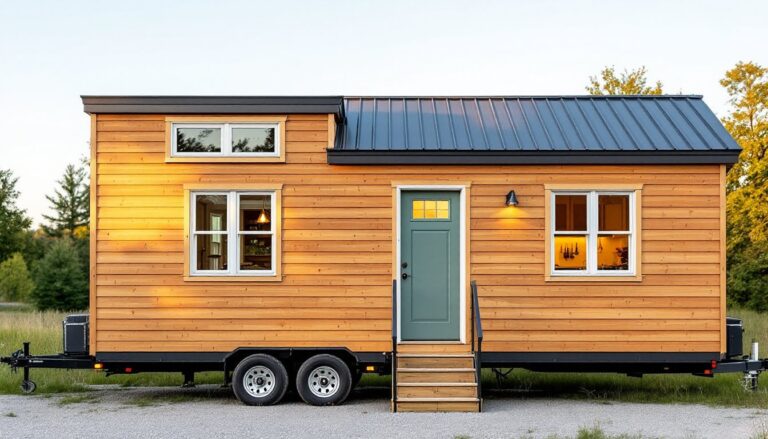
An accessory dwelling unit (ADU) gives homeowners a separate rental space on their existing property. These structures go by many names: in-law suites, granny flats, backyard cottages, or carriage houses.
This house hacking example requires upfront construction costs but creates a distinct, private unit. The homeowner keeps their main house unchanged while adding a rentable space.
Types of ADUs
Detached ADUs sit in the backyard as separate buildings. They offer complete privacy for both parties. Construction costs range from $100,000 to $300,000 depending on size and location.
Attached ADUs share a wall with the main house. They cost less to build but provide less separation.
Garage conversions transform existing structures into living spaces. They often represent the most affordable ADU option, typically running $50,000 to $150,000.
Basement apartments work in homes with suitable foundations. They require proper egress windows and separate entrances to meet code.
Rental Income Expectations
ADUs in major metro areas can command $1,500 to $2,500 per month. In smaller markets, expect $800 to $1,400. These units often attract long-term tenants who value privacy but want lower rent than a standalone apartment.
Zoning Considerations
Local zoning laws dictate ADU feasibility. Some cities encourage ADU construction with streamlined permits. Others restrict them entirely. Homeowners should check local regulations before planning construction.
This house hacking example suits homeowners with available land, construction capital, and a long-term outlook. The investment pays off over years of consistent rental income.
Short-Term Rental Strategies
Short-term rentals through platforms like Airbnb and Vrbo offer another house hacking example. Homeowners rent space by the night or week instead of signing long-term leases.
Full-Home Rentals
Some house hackers travel frequently for work. They list their entire home during absences. A weekend trip becomes $200 to $400 in rental income. Extended work travel generates even more.
Partial-Home Listings
Owners can list spare bedrooms, basement suites, or ADUs on short-term platforms. Nightly rates often exceed monthly rental equivalents. A room that might rent for $800 per month could earn $100 per night, $1,500 or more monthly with decent occupancy.
Higher Returns, More Work
Short-term rentals typically generate more income than long-term leases. But they demand more effort. Owners handle check-ins, cleanings, guest communication, and reviews. They manage calendars and pricing. Turnover happens constantly.
Professional cleaners and property managers can reduce this burden but cut into profits.
Regulatory Challenges
Many cities now restrict short-term rentals. Some require permits. Others limit rental nights per year. A few ban them in residential zones entirely.
Homeowners pursuing this house hacking example should research local laws carefully. Fines for illegal rentals can erase months of income.
This strategy fits homeowners in tourist destinations, near major events, or in areas with permissive regulations. It works well for flexible owners who enjoy hosting.